Best Hooks for Hanging Camouflage and Survival Gear
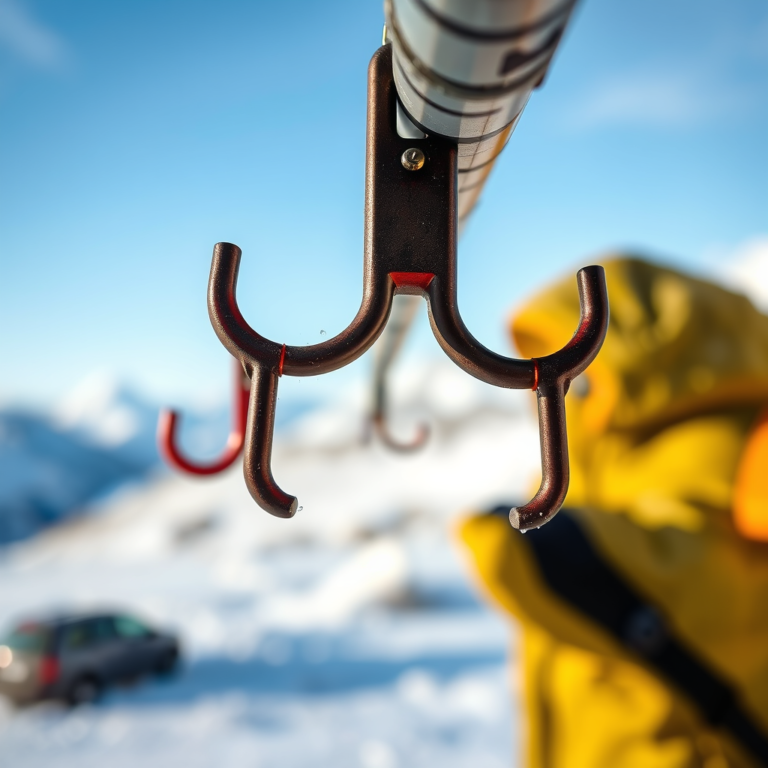
To effectively hang camouflage and survival gear, look for hooks that offer strength, durability, and versatility. Selecting the right hooks ensures your equipment remains secure and easily accessible, which is crucial in outdoor situations where efficiency can make a significant difference. In this article, we’ll explore the best types of hooks available, alongside tips for selecting the perfect ones tailored to your specific needs, ensuring your gear is well-organized and ready for any adventure.
Understanding Hook Types
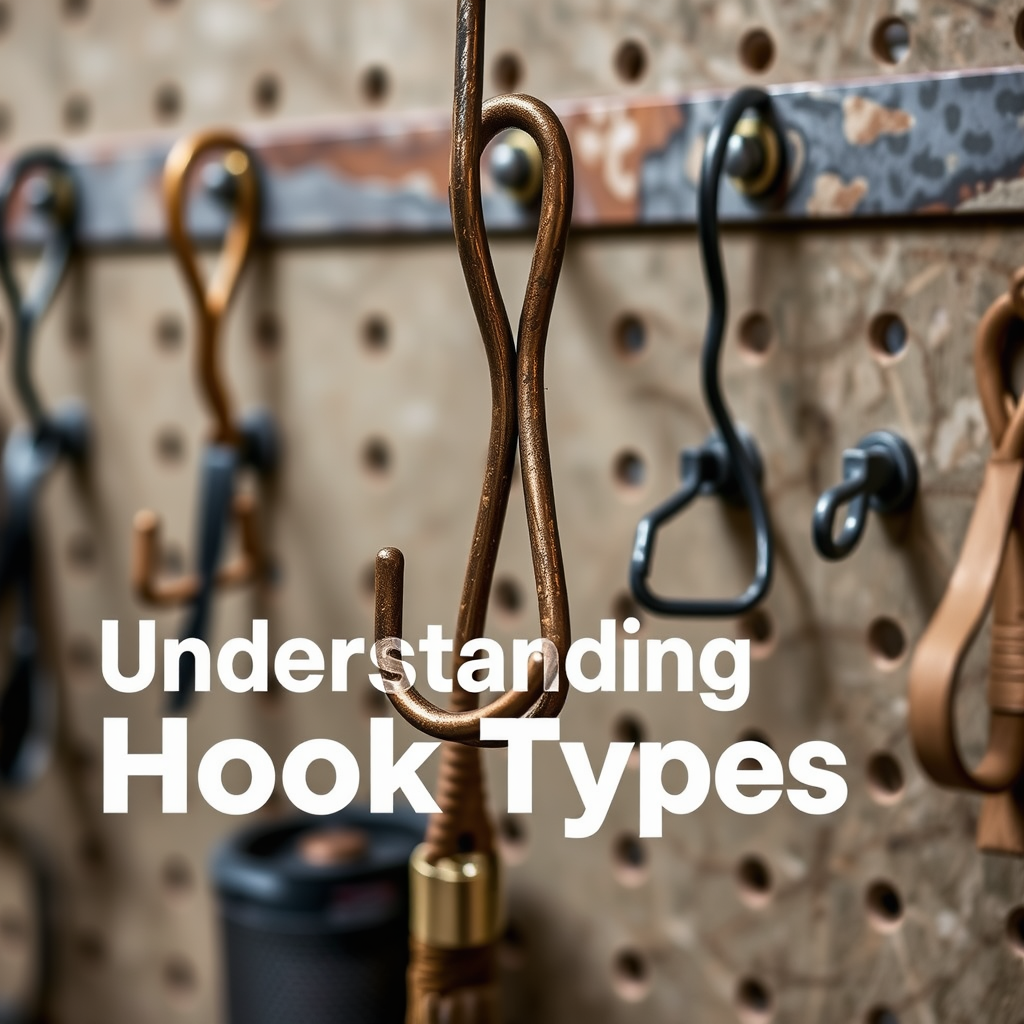
S-Hooks: S-hooks are a simple yet effective solution for hanging various types of gear. Their design allows for easy attachment and removal, making them ideal for items that you may need to access frequently. For example, you can use S-hooks to hang camouflage clothing, backpacks, or even lightweight survival tools. They can accommodate multiple items, making them perfect for organizing a range of gear in a compact space. However, it’s essential to consider their weight capacity and choose the appropriate size based on your gear’s weight.
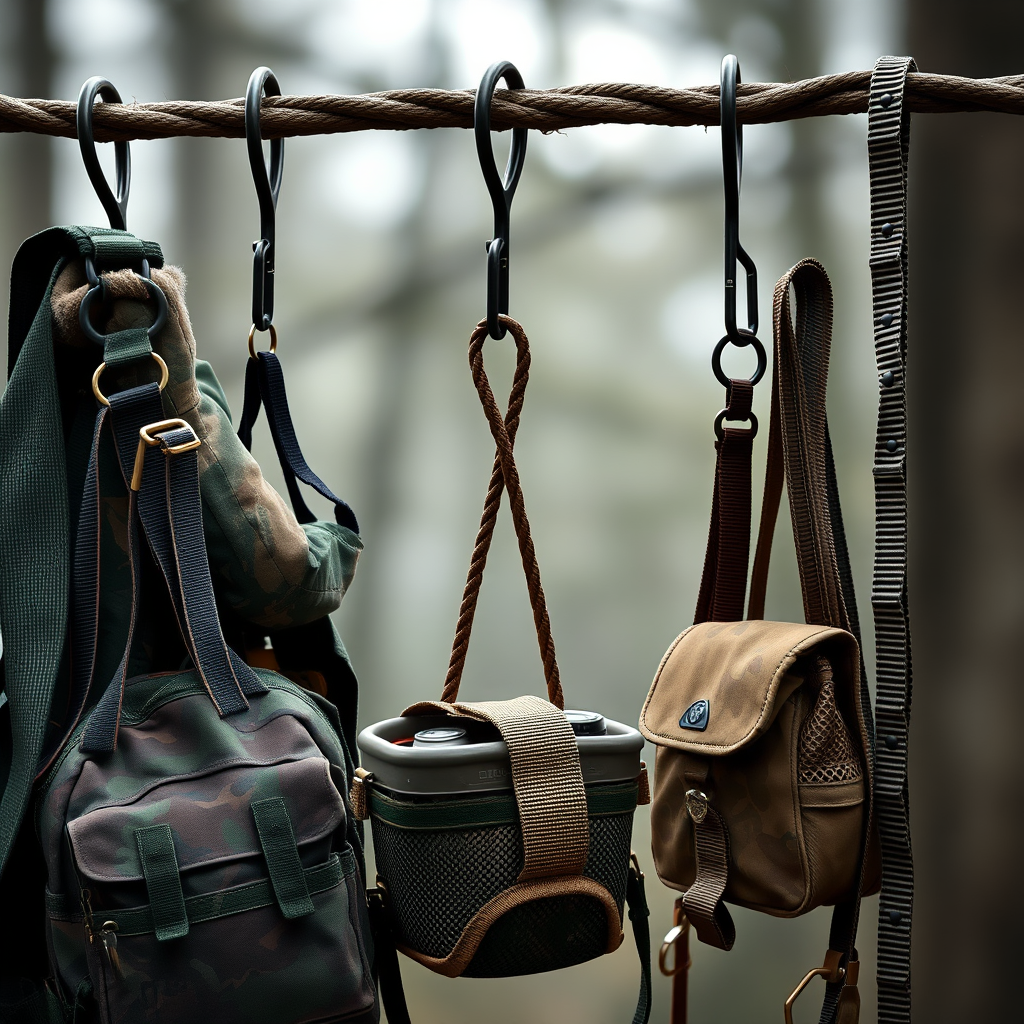
Carabiner Hooks: Carabiner hooks are renowned for their versatility and durability, making them a staple in the survivalist community. These hooks can quickly attach and detach from various points, such as belts, backpacks, and even trees. Many carabiners come with locking mechanisms, providing additional security for your gear. They are particularly useful in situations where you might need to secure your gear rapidly, such as when setting up camp or during a hike. When selecting a carabiner, ensure it is rated for the weight of the gear you plan to hang.
Material Matters
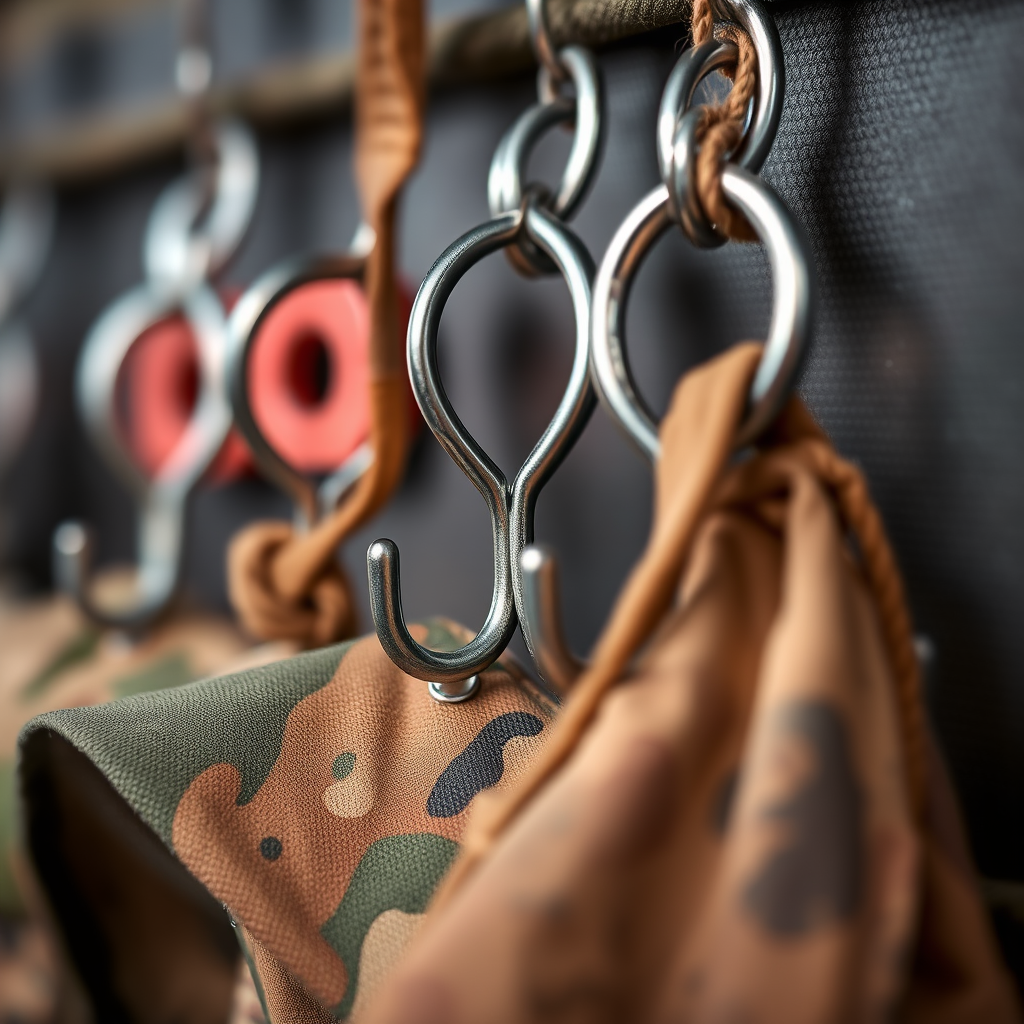
Steel Hooks: Steel hooks are an excellent choice for heavy-duty gear. Their robust construction allows them to handle significant weights without bending or breaking, making them perfect for items like tents, heavy backpacks, or larger survival tools. However, it’s worth noting that while steel hooks are reliable, they may also add extra weight to your pack, which is a critical consideration for long treks. When using steel hooks, ensure they are coated to prevent rusting, especially if you expect exposure to moisture or harsh conditions.
Plastic Hooks: For those who prioritize lightweight solutions, plastic hooks are a viable alternative. These hooks are not only lightweight but also rust-resistant, making them suitable for hanging lighter items such as tarps, ponchos, or smaller survival kits. However, while plastic hooks are convenient, they may not be as durable as their metal counterparts and can break under excessive weight or stress. When using plastic hooks, it’s essential to be mindful of their weight limits and ensure that they are used appropriately to avoid gear loss.
Weight Capacity Considerations
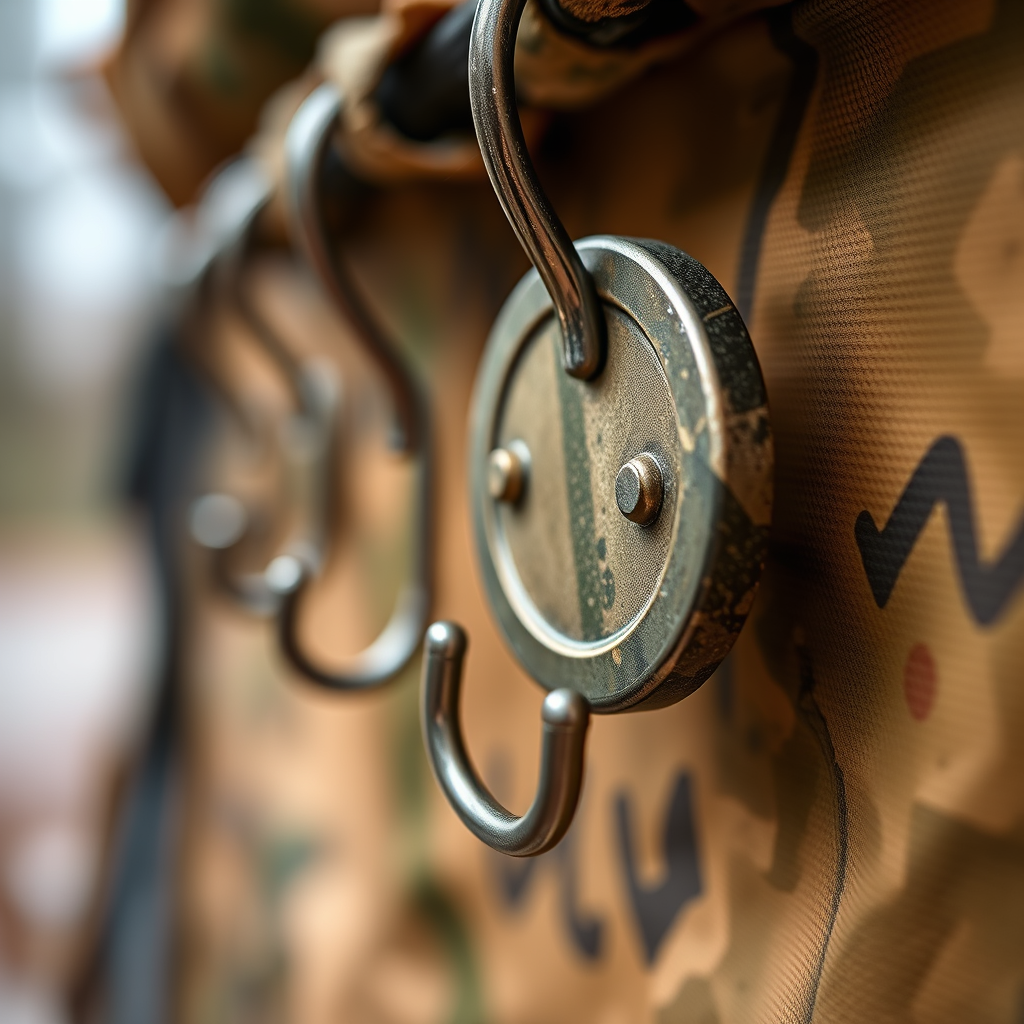
Determine Gear Weight: Before selecting hooks for your camouflage and survival gear, it is crucial to know the total weight of the items you intend to hang. This helps in choosing hooks that can bear the load without bending or breaking. For instance, if you plan to hang a heavy backpack along with several smaller items, consider measuring the combined weight to ensure your chosen hooks have adequate capacity.
Safety Margins: Always opt for hooks with a weight capacity that exceeds your gear’s total weight. This practice adds an extra layer of safety, ensuring that your equipment remains secure even in unpredictable conditions. For example, if your gear weighs 20 pounds, selecting hooks rated for at least 30 pounds will provide peace of mind and reduce the risk of failure.
Versatile Hanging Solutions
Wall-Mounted Hooks: For home organization, wall-mounted hooks are an excellent solution. They enable you to keep your gear readily available and off the ground, providing an organized space for your equipment. Whether you are storing camouflage gear, survival packs, or other outdoor equipment, wall-mounted hooks help maximize space and ensure your items are easily accessible when you need them. Consider using a combination of different hook types to create a customized storage solution that meets your specific needs.
Portable Hooks: For those who frequently venture into the outdoors, portable hooks are a must-have. These hooks can easily attach to tents, trees, or backpacks, making them ideal for camping and hiking scenarios. Some portable hooks even come with features such as adjustable lengths or quick-release mechanisms, enhancing their functionality. When choosing portable hooks, look for lightweight options that can withstand the rigors of outdoor use without adding unnecessary bulk to your pack.
Tips for Installation
Location Matters: The effectiveness of your hooks largely depends on their placement. Choose spots that offer sufficient support, such as sturdy beams, trees, or walls, and ensure they are easily accessible for gear retrieval. Avoid areas that are prone to moisture or extreme weather conditions, which could compromise the integrity of your hooks over time.
Use Multiple Hooks: To distribute weight evenly and prevent damage to your gear, consider using multiple hooks for heavier items. This strategy not only improves stability but also reduces the risk of a single hook failing under pressure. For example, if you are hanging a large tarp, securing it with multiple hooks can help maintain its position and provide better protection against the elements.
Maintaining Your Hooks
Regular Inspections: To ensure your hooks remain reliable, conduct regular inspections for signs of wear or rust, particularly with metal hooks. Look for any visible signs of damage, such as bending or corrosion, and replace any hooks that show signs of wear. Regular maintenance can extend the life of your hooks and ensure they continue to perform effectively when you need them most.
Clean After Use: Keeping your hooks free from dirt and debris is crucial for maintaining their performance. After each use, especially in muddy or sandy environments, clean the hooks with a damp cloth or brush to remove any accumulated grime. This practice will help prevent corrosion and prolong the lifespan of your hooks, ensuring they are always ready for your next adventure.
Selecting the right hooks for hanging your camouflage and survival gear is essential for effective organization and accessibility. By understanding the various hook types, materials, weight capacities, and installation tips, you can make informed decisions that will enhance your outdoor experiences. Remember to maintain your hooks regularly to ensure they remain reliable and functional. Explore the available options and invest in quality hooks that meet your specific needs—your gear deserves nothing less.
Frequently Asked Questions
What are the best types of hooks for hanging camouflage gear?
When it comes to hanging camouflage gear, the best types of hooks include S-hooks, carabiner clips, and wall-mounted hooks. S-hooks are versatile and can easily hang items from various surfaces, while carabiner clips provide a secure connection for outdoor activities. Wall-mounted hooks are ideal for organizing gear in a garage or shed, allowing for easy access and visibility of your camouflage items.
How can I organize my survival gear using hooks?
Organizing survival gear with hooks can be achieved by categorizing items based on their use and frequency. Use pegboards with various types of hooks to hang tools, flashlights, and emergency supplies for quick access. Additionally, consider adjustable hooks that can be repositioned as your needs change, ensuring that your survival gear is always organized and ready for any situation.
Why is it important to use the right hooks for hanging survival gear?
Using the right hooks for hanging survival gear is crucial because it ensures that your items are secure and easily accessible when needed. Poorly chosen hooks can lead to gear falling or getting damaged, which could be detrimental during an emergency. Additionally, the right hooks can help maximize space and keep your gear organized, allowing for efficient use of storage areas.
Which hooks are best for outdoor use with camouflage gear?
For outdoor use with camouflage gear, heavy-duty stainless steel hooks and weather-resistant plastic hooks are the best options. Stainless steel hooks offer durability and rust resistance, making them ideal for various weather conditions. Weather-resistant plastic hooks are lightweight and can blend with natural surroundings, maintaining the camouflage aesthetic while securely holding your gear.
What features should I look for in hooks for hanging gear in a camping setup?
When selecting hooks for hanging gear in a camping setup, look for features such as weight capacity, material durability, and ease of installation. Hooks made from strong materials like aluminum or stainless steel can support heavier items like backpacks and cooking equipment. Additionally, consider hooks that have a simple attachment mechanism, like screw-in or magnetic options, allowing for quick setup and breakdown during camping trips.
References
- Camping
- https://www.fs.usda.gov/recarea/recarea/?recid=79431
- Camping (U.S. National Park Service)
- https://www.outwardbound.org/resources/10-essential-survival-skills/
- https://www.rei.com/learn/expert-advice/camping-checklist.html
- https://www.sciencedirect.com/topics/agricultural-and-biological-sciences/survival-gear
- Vitamin C (Ascorbic Acid) – StatPearls – NCBI Bookshelf
- https://www.theguardian.com/environment/2020/jun/01/camping-tips-social-distance-safety