Storing first-aid and trauma kits effectively is crucial for quick access during emergencies, and using hanging hooks can provide the perfect solution. By utilizing hanging hooks, you can maximize your storage space and ensure that your first-aid supplies are organized and readily accessible when they are needed the most. This article will guide you through the best practices for utilizing hanging hooks to keep your first-aid supplies organized and easily reachable.




Benefits of Using Hanging Hooks

Utilizing hanging hooks for your first-aid and trauma kits offers several advantages that enhance both organization and accessibility. One of the primary benefits is the maximization of vertical space. By elevating your kits off the floor, you free up valuable ground space, which can be particularly beneficial in smaller areas where every inch counts. This arrangement not only keeps your supplies visible but also helps prevent damage that can occur from being stepped on or displaced.
Additionally, hanging hooks allow for quick visibility and access during emergencies. In high-pressure situations, time is of the essence. When first-aid supplies are hanging in a designated location, they can be spotted and retrieved with minimal effort. For instance, consider a scenario where a family member sustains an injury; having the first-aid kit within arm’s reach on a hook can significantly reduce the time taken to respond and provide care.

Choosing the Right Hooks

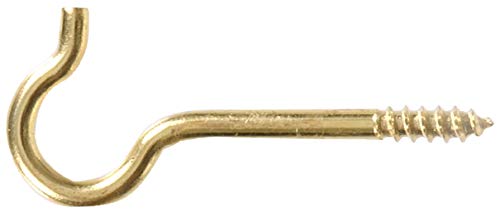
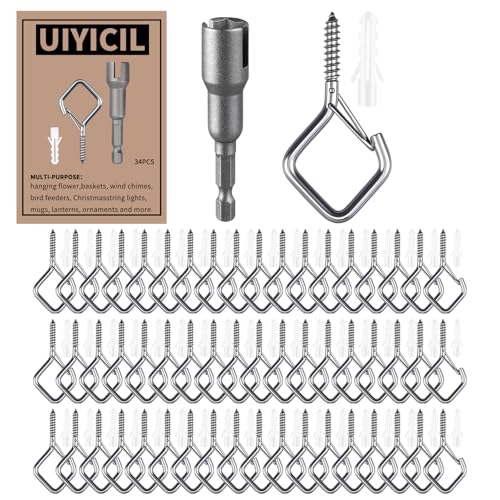
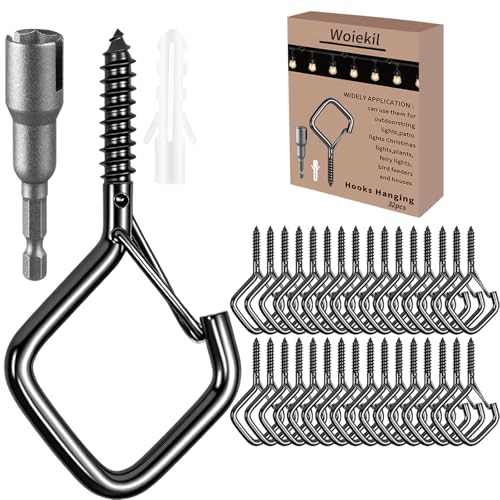
Selecting the appropriate hooks is essential to ensure they can support the weight and size of your first-aid kits. When choosing hooks, consider the weight capacity based on the contents of your kits. For example, if your trauma kit includes heavier items such as splints or large bandages, opt for robust metal hooks rated for higher weights.
Moreover, selecting hooks made from rust-resistant materials, such as stainless steel or coated metal, is crucial for durability. This is particularly important for environments with fluctuating humidity, like bathrooms or kitchens, where moisture can lead to rust and deterioration over time. By investing in quality hooks, you ensure that your first-aid supplies remain secure and accessible for years to come.
Ideal Locations for Installation

The location of your hanging hooks plays a significant role in the overall effectiveness of your first-aid storage. Install hooks in high-traffic areas where they can be easily accessed, such as kitchens, garages, or entryways. These locations are often where minor injuries occur, making it imperative to have your first-aid kits close at hand.
Ensure that hooks are installed at an accessible height for all family members, including children. This not only promotes independence but also encourages everyone to be prepared and knowledgeable about where to find essential supplies. For instance, you might place a small kit on a lower hook for children to reach, while keeping larger kits higher up for adult use.
Organizing Your First-Aid Kits
An organized first-aid kit is more effective during emergencies. Using labeled bags or containers can aid in easy identification, allowing you to quickly locate the necessary supplies. For example, you might have one bag for bandages, another for antiseptics, and a third for medications. This categorization not only streamlines the retrieval process but also ensures that items are returned to their correct place after use.
Grouping supplies by type—such as bandages, medications, and trauma equipment—further enhances efficiency. For instance, keeping all bandages in one section of your kit allows you to address cuts and scrapes swiftly, while a separate compartment for trauma gear ensures that more complex injuries can be managed promptly. This structured approach minimizes the chaos often associated with emergency situations and maximizes the effectiveness of your first-aid response.
Maintenance and Regular Checks
Regular maintenance of your first-aid kits is paramount to ensure that they are always ready for emergencies. Schedule regular checks, ideally every three to six months, to replenish supplies that may have been used or have expired. Items like adhesive bandages, antiseptic wipes, and medications should be closely monitored for expiration dates and replaced as necessary.
In addition to replenishing supplies, cleaning the hooks and the surrounding area is essential for maintaining hygiene. First-aid kits should be free from dust and contaminants to prevent infections when treating wounds. A simple wipe-down with disinfectant can go a long way in ensuring that your kits are in top condition when you need them.
Creative Hook Solutions
Exploring creative hook solutions can further enhance your first-aid storage. Magnetic hooks are an innovative option that can be attached to metal surfaces, making them ideal for garages or tool sheds. These hooks can easily hold small kits or individual supplies, saving space while keeping items visible and accessible.
Moreover, decorative hooks can serve a dual purpose. Choosing hooks that blend seamlessly with your home decor allows you to maintain a stylish aesthetic while ensuring functionality. For instance, a beautifully crafted wooden hook can serve as an attractive focal point in a hallway while discreetly holding a first-aid kit.
Incorporating these creative solutions not only enhances the organization of your first-aid supplies but also encourages everyone in the household to engage with emergency preparedness in a more proactive manner.
By summarizing the importance of hanging hooks for storing first-aid and trauma kits, these solutions enhance accessibility and organization. Start by selecting the right hooks and location to ensure your kits are always ready for emergencies. A well-organized and easily accessible first-aid kit can make all the difference in critical moments. Take action today and transform your first-aid storage for better preparedness!
Frequently Asked Questions
What are the benefits of using hanging hooks for storing first-aid and trauma kits?
Using hanging hooks for storing first-aid and trauma kits offers several advantages, including easy accessibility and space efficiency. By elevating your kits off the ground, you reduce clutter and make it simpler to locate essential supplies during emergencies. Additionally, hanging hooks help protect your kits from moisture and dirt, ensuring that the items inside remain clean and ready for use.
How do I choose the right hanging hooks for my first-aid and trauma kits?
When selecting hanging hooks for your first-aid and trauma kits, consider the weight capacity and material of the hooks. It’s essential to choose sturdy hooks that can support the weight of your kits without bending or breaking. Additionally, look for hooks with a corrosion-resistant finish if they will be used in humid environments, such as bathrooms or kitchens, to ensure durability and longevity.
Why is it important to organize first-aid and trauma kits using hanging hooks?
Organizing first-aid and trauma kits using hanging hooks is crucial for quick access during emergencies. In stressful situations, every second counts, and having your kits visible and within reach can save valuable time. Moreover, proper organization helps ensure that supplies are easily identifiable, reducing the likelihood of panic and confusion when they are needed most.
What types of hanging hooks are best for storing first-aid kits at home?
The best types of hanging hooks for storing first-aid kits at home are wall-mounted hooks and pegboard hooks. Wall-mounted hooks are ideal for easily accessible locations, while pegboards allow for customizable organization, enabling you to adjust the layout as your needs evolve. Magnetic hooks can also be a good option if you have metal surfaces available, providing a flexible and strong hold without permanent installation.
Which locations in my home are most suitable for hanging first-aid and trauma kits?
Suitable locations for hanging first-aid and trauma kits include the kitchen, bathroom, or garage, as these areas are often where accidents or emergencies may occur. It’s important to place the kits in high-traffic areas that are easily accessible to all family members. Additionally, ensure that the kits are hung at a height that is reachable for both adults and older children, promoting a family-wide readiness for emergencies.
References
- https://www.cdc.gov/niosh/docs/2014-109/pdfs/2014-109.pdf
- What Do You Need In a Survival Kit | American Red Cross
- https://www.ready.gov/first-aid
- https://www.wisconsin.gov/Pages/AllInOneFirstAid.aspx
- https://www.nhlbi.nih.gov/health-topics/first-aid
- https://www.mayoclinic.org/first-aid/first-aid-kit/basics/ait-20056622
- https://www.nsc.org/home-safety/tools-resources/seasonal-safety/first-aid-kit