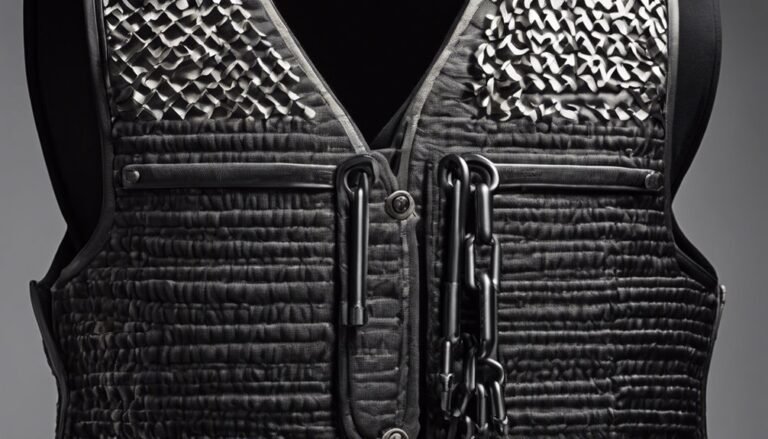
Hooks for Securing 3D-Printed Body Enhancement Devices
Understanding the right hooks for securing 3D-printed body enhancement devices is crucial for ensuring both functionality and safety. These hooks not only enhance the usability of the devices but also ensure they remain securely attached during use. Selecting appropriate hooks can lead to improved performance, increased user satisfaction, and a reduction in the risk of device failure. In this article, we’ll explore the types of hooks that work best, their design considerations, and how to choose the right materials for your specific needs.
Types of Hooks for 3D-Printed Devices
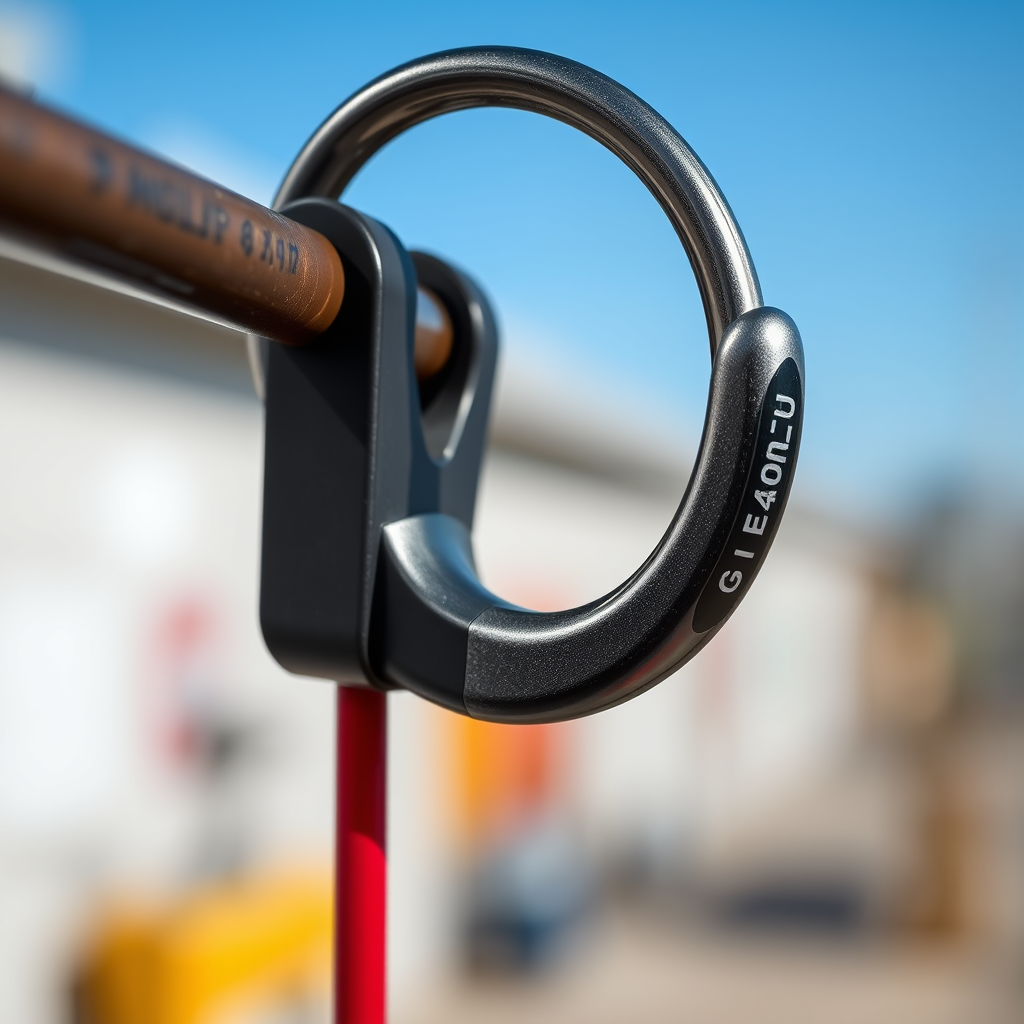
– Standard Hooks: Commonly used shapes and designs that provide a basic level of security. Standard hooks, such as J-hooks or S-hooks, are often utilized due to their simplicity and ease of manufacturing. They serve as reliable options for securing devices in a straightforward manner. For instance, a J-hook can effectively hold a prosthetic limb in place during regular movement, offering a reliable solution for users who need basic functionality without intricate design.
– Custom Hooks: Tailored designs that address specific user needs and device functions. Custom hooks are essential when standard options do not meet the specific requirements of a device or the user’s anatomy. For example, a custom-designed hook for a 3D-printed orthotic device might incorporate features such as contouring to match the user’s body shape or adjustable components that allow for a more personalized fit. By engaging with users during the design process, engineers can create hooks that enhance comfort and performance, ultimately leading to better wearability.
Material Considerations for Hooks

– Durability: Importance of selecting materials that can withstand stress and wear over time. The longevity of hooks is paramount, especially in devices subjected to repeated movements and loads. Materials such as nylon, polypropylene, and certain metals like titanium are often chosen for their high strength-to-weight ratios and resistance to fatigue. For instance, nylon hooks can withstand significant wear while remaining lightweight, making them ideal for applications in wearable devices.
– Weight: Balancing strength and weight to ensure comfort and usability. In the context of body enhancement devices, particularly those intended for daily use, the weight of the components plays a crucial role in user comfort. Hooks must not only secure the device but also be light enough to prevent user fatigue. Advanced materials such as carbon fiber composites are increasingly being utilized due to their impressive strength while remaining lightweight. This balance is essential to ensure that users can wear their devices comfortably over extended periods.
Design Features for Effective Hooks

– Ergonomics: Designing hooks that are comfortable for the user during extended wear. Ergonomic design principles should guide the development of hooks to ensure they do not cause discomfort or irritation during use. Features like rounded edges, smooth surfaces, and contoured shapes can significantly improve the user experience. For example, a hook designed with an ergonomic contour can reduce pressure points and improve fit, leading to higher user satisfaction.
– Flexibility: Incorporating elements that allow for movement without compromising security. A good hook design should account for the dynamic nature of the human body. Incorporating flexible materials or designs that allow for slight movement can enhance comfort without sacrificing the stability of the device. Hooks that can bend or flex slightly can better accommodate the natural movements of the body, making them ideal for active users.
Testing and Quality Assurance
– Prototype Testing: The significance of testing hooks under various conditions to ensure reliability. Rigorous prototyping and testing are essential to validate the performance of hook designs. This process may involve simulating different load conditions, wear scenarios, and environmental factors to ensure that the hooks can perform reliably in real-world situations. For example, testing a hook for a 3D-printed spinal brace under dynamic loading conditions can reveal potential points of failure and allow designers to make necessary adjustments before full-scale production.
– User Feedback: Gathering insights from users to improve hook design and function. Engaging with users post-deployment is vital for continuous improvement. Collecting feedback on the usability, comfort, and functionality of the hooks can lead to iterative enhancements that better meet user needs. Establishing feedback loops with users can inform future designs and lead to innovative solutions tailored to real-world challenges.
Integration with 3D-Printed Devices
– Seamless Connection: Ensuring hooks integrate smoothly with the overall device design. The design of hooks should not only focus on their individual functionality but also consider how they fit within the broader context of the 3D-printed device. Ensuring that hooks can be easily integrated into the existing design without compromising aesthetics or performance enhances overall usability. For instance, hooks that can be incorporated into the structural design of a prosthetic limb without protruding awkwardly will result in a more appealing and functional product.
– Adjustability: Designing hooks that allow for easy adjustments to fit different body types. The ability to adjust hooks is crucial for accommodating the diverse anatomy of users. Hooks designed with adjustable features, such as sliding mechanisms or multiple attachment points, can provide a customized fit for a range of body types. This flexibility is particularly important in medical and therapeutic devices, where individual user needs can vary widely.
Future Trends in Hook Design
– Smart Materials: Exploring the use of advanced materials that can adapt to conditions or user needs. The future of hook design lies in the integration of smart materials that can change properties in response to environmental stimuli. For example, hooks made from shape-memory alloys could adjust their shape based on temperature or pressure, providing enhanced security and comfort. Such advancements could revolutionize how hooks function in dynamic environments and greatly enhance user experience.
– Customization Technologies: Innovations that allow for on-demand customization of hooks. With the rise of 3D printing and digital manufacturing, the potential for on-demand customization of hooks is expanding. Users could have hooks designed and printed specifically for their needs, allowing for rapid prototyping and immediate adjustments based on real-time feedback. This shift towards personalization will empower users to achieve the best possible fit and function for their devices.
By focusing on the right hooks for securing 3D-printed body enhancement devices, users can significantly improve the effectiveness and safety of their applications. Understanding the types, materials, and design features can lead to better performance and user experience. As technology advances, staying informed about trends will help you make the best choices for your enhancements. Ultimately, the evolution of hooks will play a crucial role in the development of more efficient, comfortable, and user-friendly body enhancement devices.
Frequently Asked Questions
What are the best types of hooks for securing 3D-printed body enhancement devices?
The best types of hooks for securing 3D-printed body enhancement devices typically include stainless steel hooks, nylon-coated hooks, and custom-designed polymer hooks. Stainless steel offers durability and resistance to corrosion, while nylon-coated options provide added comfort and reduce skin irritation. Custom designs can be tailored to fit specific anatomical features, ensuring a secure and comfortable fit.
How do I choose the right hook for my 3D-printed body enhancement device?
Choosing the right hook for your 3D-printed body enhancement device involves considering factors such as the material compatibility, weight load, and the specific design of the enhancement. It’s crucial to assess the physical properties of the hook, such as tensile strength and flexibility, along with the environment in which it will be used (e.g., wet or dry conditions). Consulting with a professional who specializes in 3D printing and body enhancements can provide insights tailored to your specific needs.
Why is it important to secure 3D-printed body enhancement devices properly?
Properly securing 3D-printed body enhancement devices is essential for safety, functionality, and comfort. Inadequate securing can lead to device dislodgement, potential injury, or skin irritation. A well-secured device enhances user confidence and ensures that the enhancement performs as intended, allowing for better aesthetic outcomes and functionality in daily activities.
Which materials are recommended for hooks used in 3D-printed body enhancement devices?
Recommended materials for hooks in 3D-printed body enhancement devices include medical-grade plastics like nylon and polyethylene, as well as metals such as titanium and stainless steel. These materials are chosen for their strength, biocompatibility, and resistance to corrosion. The choice of material will depend on the specific application and the user’s skin sensitivity, making it vital to select the most suitable option for individual needs.
How can I ensure the longevity of hooks used in 3D-printed body enhancement devices?
To ensure the longevity of hooks used in 3D-printed body enhancement devices, it is essential to follow proper care and maintenance practices. Regularly inspect the hooks for signs of wear or damage, clean them with mild soap and water to prevent buildup of dirt or bacteria, and store the device in a cool, dry place when not in use. Additionally, avoiding exposure to harsh chemicals or extreme temperatures will help extend the lifespan of the hooks and maintain their integrity for continued use.
References
- 3D printing
- https://www.ncbi.nlm.nih.gov/pmc/articles/PMC7380483/
- https://www.sciencedirect.com/science/article/pii/S2351978921000144
- https://www.nsf.gov/news/special_reports/3dprinting/
- https://www.hhs.gov/about/agencies/asa/ocio/initiatives/3d-printing.html
- https://www.researchgate.net/publication/339143408_3D_Printing_in_Medicine_and_Surgery
- https://www.nature.com/articles/s41551-019-0364-2
- https://www.bbc.com/future/article/20200422-what-its-like-to-have-a-3d-printed-body-part