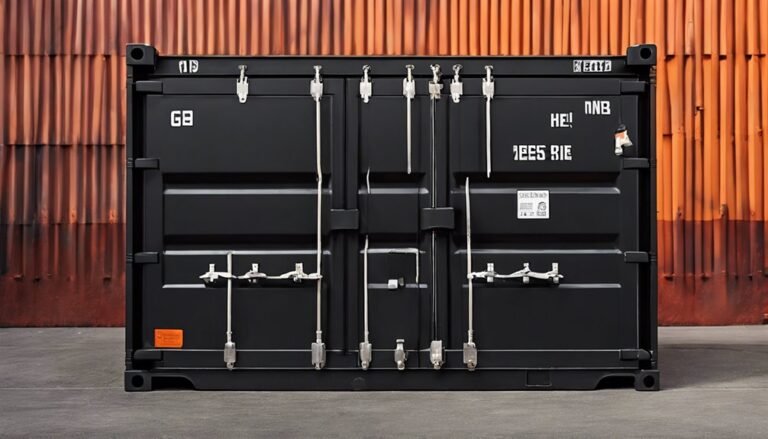
Hooks for Securing Emergency Tethering Equipment: Best Practices
Emergency tethering equipment can be effectively secured using the right hooks, which are crucial for ensuring safety and reliability during high-stakes situations. Selecting appropriate hooks not only enhances the performance of your equipment but also mitigates risks associated with accidental disconnections. In this article, you will learn about the best types of hooks to use, how to properly attach them, and tips for maintaining your equipment for optimal performance.
Understanding Different Types of Hooks

– Carabiner Hooks: These hooks are strong and versatile, making them ideal for quick-release capabilities. Carabiners typically feature a spring-loaded gate that allows for easy attachment and detachment, which can be crucial in emergency scenarios where time is of the essence. They are available in various shapes and sizes, including D-shaped and oval, allowing users to select the best fit for their equipment. For instance, a locking carabiner can provide additional safety by preventing accidental openings, making it a preferred choice for climbing or rescue operations.
– Screw Lock Hooks: Unlike standard carabiners, screw lock hooks provide added security through a threaded locking mechanism. This design prevents accidental openings during use, ensuring that the equipment remains securely tethered, even under high-stress conditions. These hooks are particularly useful in environments where movement is expected, such as during rescue operations or when performing maintenance tasks in precarious situations. For example, in maritime applications, screw lock hooks can withstand the forces of wind and waves, providing peace of mind for personnel.
Material Considerations

The material of the hooks you choose can significantly impact their performance and longevity, especially in harsh environments.
– Stainless Steel: Highly resistant to rust and corrosion, stainless steel hooks are ideal for use in marine or industrial settings where exposure to moisture and chemicals is common. They offer exceptional strength and durability, ensuring that the hooks will maintain their integrity even under heavy loads. For example, stainless steel hooks are frequently used in construction and rescue operations, where reliability is non-negotiable.
– Aluminum: Lightweight and durable, aluminum hooks are perfect for applications requiring portability without sacrificing strength. Their reduced weight makes them easier to handle, especially when managing multiple pieces of equipment or during extended operations. While aluminum hooks can be less durable than stainless steel, they are still suitable for many emergency scenarios, such as hiking or camping, where weight savings are critical.
Proper Attachment Techniques
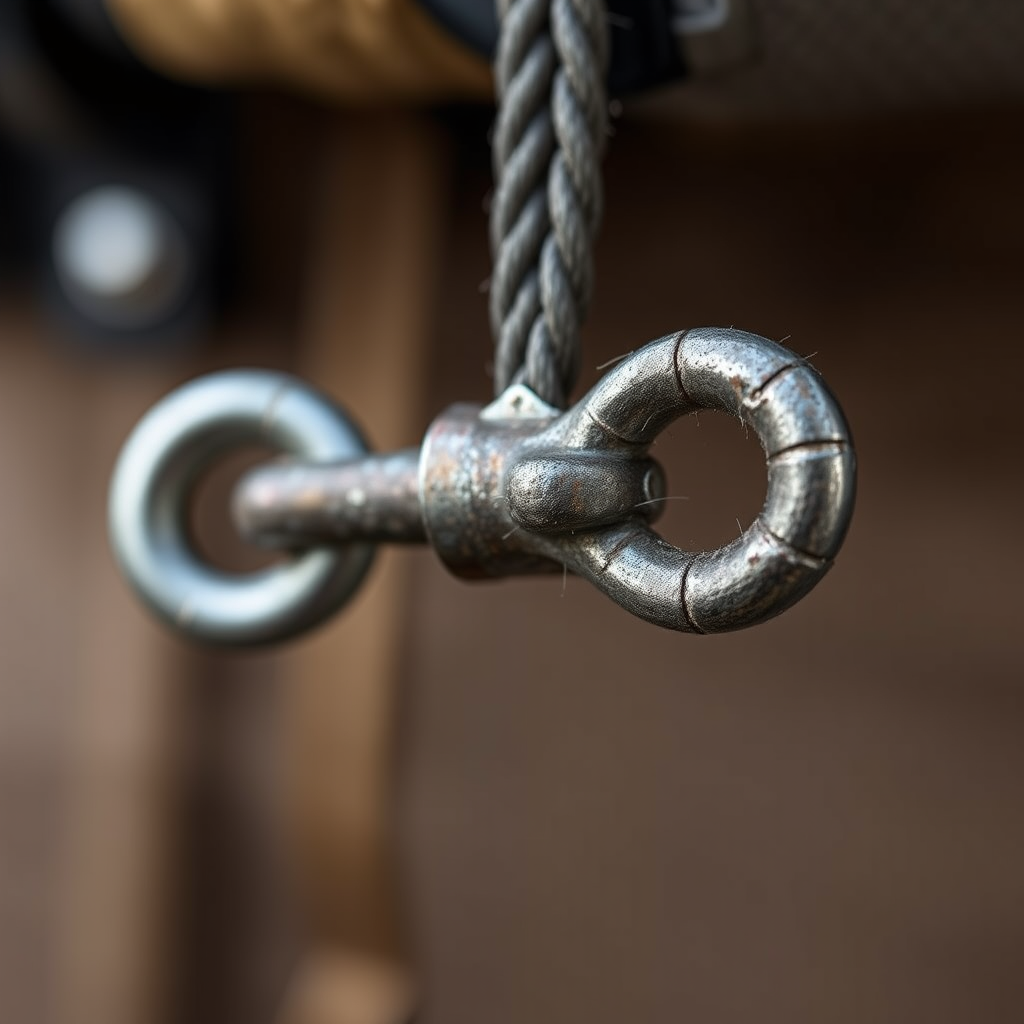
Proper attachment of hooks to emergency tethering equipment is essential to prevent slippage and ensure safety.
– Double Looping: This technique involves creating a double loop with the rope or tether before securing it with the hook. It ensures a secure fit that minimizes the risk of slippage, particularly when under tension. For example, when securing a load on a vehicle or during aerial operations, double looping can effectively distribute weight and enhance stability.
– Using Safety Lanyards: Incorporating safety lanyards can add an extra layer of security to keep hooks in place. Safety lanyards, which tether the hook to the equipment, prevent accidental drops or disconnections. In emergency situations, this can be a lifesaver, especially when working at heights or around hazardous machinery. For instance, in construction, using safety lanyards can prevent tools from falling and injuring personnel below.
Regular Maintenance Tips
Maintaining your emergency tethering equipment is vital for ensuring its reliability and longevity.
– Inspect for Damage: Regularly check hooks for signs of wear and tear, such as cracks, deformation, or rust. Conducting inspections before each use can help identify potential failures and prevent accidents. For example, if a carabiner shows signs of corrosion, it may not hold the intended weight, leading to dangerous situations.
– Clean After Use: After each use, clean hooks to remove dirt and debris. This practice is especially important in environments where saltwater or chemicals may be present, as these can lead to corrosion over time. Use a soft cloth and mild detergent to wipe down the hooks, ensuring they stay in optimal condition for future use.
Weight Limits and Load Testing
Understanding the limits of your equipment is crucial for maintaining safety during emergencies.
– Know Your Limits: Always adhere to the manufacturer’s weight specifications for each hook. Exceeding these limits can result in equipment failure, potentially leading to serious accidents. For example, if a hook is rated for 200 pounds and a load of 250 pounds is applied, the risk of catastrophic failure increases significantly.
– Perform Load Tests: Regularly conducting load tests under controlled conditions can help guarantee the strength and reliability of your hooks. These tests can simulate real-world scenarios, allowing you to identify any weaknesses in your equipment. For instance, testing hooks with different loads can provide insights into their performance and help you make informed decisions about replacements or upgrades.
Emergency Situations and Best Practices
Being prepared for emergencies requires careful planning and training.
– Pre-Planning: Always have a contingency plan that includes the proper use of hooks in emergencies. This should involve identifying potential risks and designing a strategy to address them effectively. For example, in search and rescue operations, having predefined protocols for securing equipment can streamline efforts and improve outcomes.
– Training: Ensure that all individuals involved are trained in using and securing the equipment properly. This training should cover the correct use of hooks, attachment techniques, and safety protocols. Regular drills can reinforce these skills and ensure readiness when emergencies occur.
In conclusion, securing emergency tethering equipment with the right hooks is essential for safety and reliability. By understanding the types of hooks available, using proper techniques, and maintaining your equipment, you can ensure that you are prepared for any emergency situation. Take these insights and apply them to your practices, and consider investing in quality equipment to enhance your safety measures. Prioritizing training and planning will not only safeguard personnel but also improve response times in critical situations, ultimately leading to better outcomes.
Frequently Asked Questions
What types of hooks are best for securing emergency tethering equipment?
The best types of hooks for securing emergency tethering equipment include carabiner hooks, snap hooks, and locking hooks. Carabiners are versatile and can handle various loads, making them ideal for outdoor emergency situations. Locking hooks add an extra layer of security, ensuring that the equipment remains securely fastened even under stress or movement. Choosing hooks made from durable materials, such as stainless steel or aluminum, provides added strength and corrosion resistance.
How do I properly install hooks for emergency tethering equipment?
To properly install hooks for emergency tethering equipment, first identify secure anchor points that can withstand the required load. Next, attach the hook to the tethering equipment using a secure knot or loop, ensuring it’s not overly tight to allow for movement if necessary. Finally, double-check that the hook is properly fastened to the anchor point, and test the setup by applying gradual pressure to ensure stability and security.
Why is it important to use high-quality hooks for emergency tethering?
Using high-quality hooks for emergency tethering is crucial for safety and reliability. Low-quality hooks may fail under pressure, leading to equipment loss or accidents during critical situations. Furthermore, high-quality hooks are typically designed to resist wear and corrosion, ensuring that they function effectively when needed the most. Investing in reliable hooks can prevent dangerous consequences and ensure the safety of users and their equipment.
Which materials are best for hooks used in emergency tethering situations?
The best materials for hooks used in emergency tethering situations are stainless steel, aluminum, and reinforced plastic. Stainless steel offers exceptional strength and resistance to rust and corrosion, making it suitable for outdoor environments. Aluminum, while lighter, is also strong and resistant to corrosion, making it ideal for portable emergency kits. Reinforced plastic can be useful for lightweight applications but should be used carefully based on the load requirements.
What safety precautions should I take when using hooks for emergency tethering?
When using hooks for emergency tethering, always inspect the hooks for damage or wear before each use. Ensure that the hooks are rated for the weight and type of load you intend to secure, and avoid overloading them. Additionally, make sure to use the appropriate knot or attachment method to prevent accidental release. Finally, conduct regular maintenance on your equipment, including the hooks, to guarantee their performance in emergencies.
References
- Climbing harness
- Planning Guides | FEMA.gov
- https://www.nps.gov/articles/putting_safety_first.htm
- https://www.cdc.gov/niosh/docs/2008-112/pdfs/2008-112.pdf
- https://www.osha.gov/sites/default/files/publications/osha3186.pdf
- https://www.redcross.org/get-help/how-to-prepare-for-emergencies/emergency-preparedness-checklist.html
- https://www.abc.net.au/news/2022-01-13/emergency-preparedness-tools/100792446