
Hanging Hooks for Securing Electric Vehicle Charging Cables
Types of Hanging Hooks
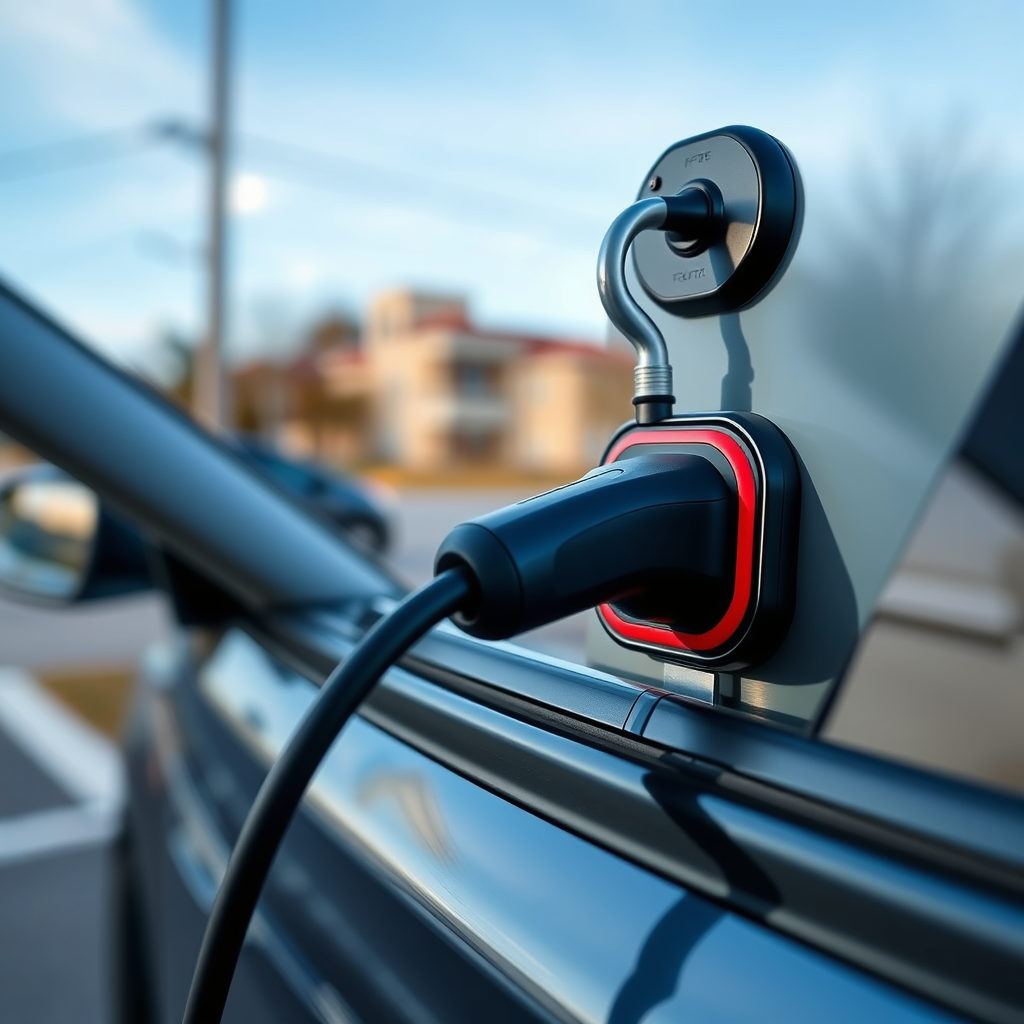
When it comes to choosing hanging hooks for EV charging cables, there are two primary types to consider: wall-mounted hooks and portable hooks.
– Wall-Mounted Hooks: These are ideal for permanent installations in garages or carports. Wall-mounted hooks provide a stable and secure place for your charging cables, ensuring they remain untangled and easily accessible. They can be installed on various surfaces, including drywall, wood, and concrete, making them versatile for different environments. For instance, heavy-duty wall-mounted hooks can accommodate thicker cables and support more weight, making them perfect for home charging stations.
– Portable Hooks: Unlike their wall-mounted counterparts, portable hooks are designed for mobility. These hooks are particularly useful for those who frequently charge their EVs at different locations, such as outdoor charging stations or public charging points. Portable hooks can often be clipped onto a bag or attached to a car, allowing users to manage their cables wherever they go. This flexibility is beneficial for EV owners who travel often or do not have a designated charging spot.
Benefits of Using Hanging Hooks
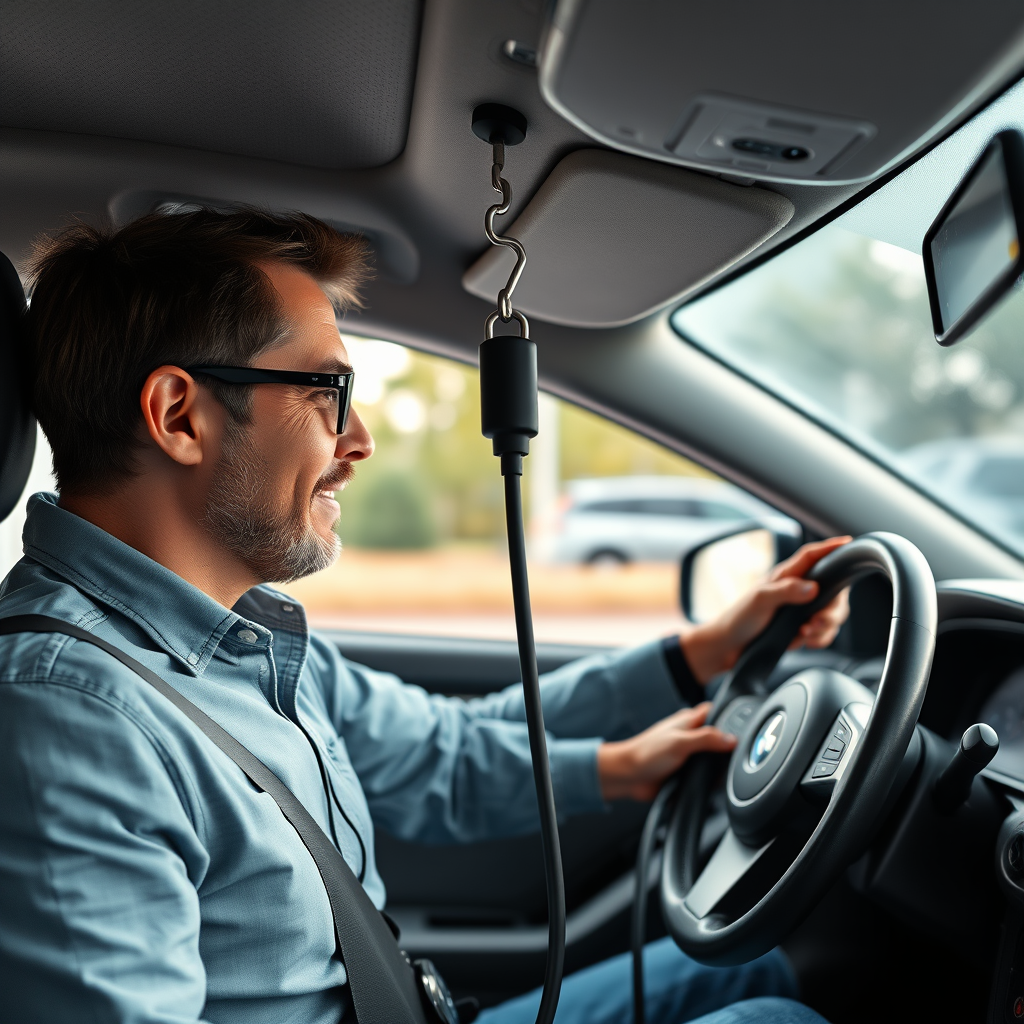
The advantages of utilizing hanging hooks for your EV charging cables are significant, contributing to both organization and safety.
– Organization: Hanging hooks allow for a neat and tidy storage solution, ensuring that cables do not become a source of clutter. By keeping cables off the ground and neatly arranged, you can easily locate your charging equipment when needed. This is especially important for EV owners who may have multiple cables for different types of chargers or vehicles. An organized setup not only enhances the aesthetic of your charging area but also improves efficiency, saving you time and frustration.
– Safety: Safety is a paramount concern when managing charging cables. Loose cables can create tripping hazards, leading to accidents, especially in high-traffic areas. By securing your cables with hanging hooks, you significantly reduce the risk of trips and falls, making your charging area safer for both residents and visitors. Additionally, keeping cables elevated can prevent them from being damaged by vehicles or weather conditions, further enhancing your overall safety.
Installation Tips
– Location: When selecting a location for your hooks, choose a spot that is easily accessible but out of the way of foot traffic. Ideally, the hooks should be positioned near your EV charging station, allowing for quick retrieval of cables without disrupting the flow of movement. Consider placing hooks at the corners of your garage or carport, where they can remain unobtrusive yet functional.
– Height: The height at which you install the hooks is equally important. Ideally, hooks should be installed at a height that allows for easy cable retrieval without straining. For most users, this means mounting hooks at shoulder height. This prevents the need for bending down or reaching too high, which can be uncomfortable and potentially lead to injury over time.
Choosing the Right Hook Material
The material of the hanging hooks plays a significant role in their durability and suitability for different environments.
– Plastic Hooks: Lightweight and resistant to corrosion, plastic hooks are suitable for indoor use. They are often less expensive and come in various colors and designs, allowing for customization. However, they may not be as robust as other materials, especially if you have heavy gauge cables. For indoor applications where aesthetics and light use are priorities, plastic hooks can be an excellent choice.
– Metal Hooks: On the other hand, metal hooks are durable and suitable for outdoor environments. They can withstand the elements, making them ideal for use in garages or carports where exposure to moisture or temperature changes is a concern. Stainless steel hooks, in particular, offer excellent resistance to rust and corrosion, ensuring they remain functional and reliable for years to come.
Maintenance and Care
Maintaining your hanging hooks is essential to ensure their longevity and continued effectiveness.
– Regular Checks: It’s advisable to inspect your hooks periodically for wear and tear. Look for any signs of damage, such as bending or rusting, which could compromise their ability to hold cables securely. If you notice any issues, replace the hooks promptly to avoid accidents or further damage.
– Cleaning: Keeping hooks clean is also important for their longevity. Dust and dirt can accumulate over time, particularly in outdoor or garage settings. Regularly wipe down the hooks with a damp cloth to remove debris, ensuring they remain in top condition and free from obstructions that could interfere with cable placement.
Common Mistakes to Avoid
While using hanging hooks is straightforward, there are some common pitfalls to avoid for optimal performance.
– Overloading Hooks: One of the most common mistakes is overloading hooks by placing too many cables on one. This can lead to damage, both to the cables and to the hooks themselves. It’s essential to distribute your cables evenly across multiple hooks to prevent excessive strain on any single point.
– Improper Installation: Ensure that hooks are securely installed to prevent them from falling. Using the appropriate anchors and screws for the surface material is crucial. If you’re uncertain, consider consulting a professional to ensure that your hooks are installed correctly and safely.
By utilizing hanging hooks for your electric vehicle charging cables, you can enjoy a more organized and safe charging experience. Following the tips outlined in this article will help you choose the right hooks, install them correctly, and maintain them for long-lasting use. Start securing your EV cables today for a tidier and safer environment!
Frequently Asked Questions
What are hanging hooks for securing electric vehicle charging cables?
Hanging hooks for securing electric vehicle charging cables are specialized hardware designed to neatly store and organize EV charging cables when not in use. These hooks can be mounted on walls, garages, or charging stations to prevent tangling, damage, and tripping hazards. By providing a designated space for your charging cables, they help extend the lifespan of the cables and maintain a tidy environment.
How do I install hanging hooks for my electric vehicle charging cables?
Installing hanging hooks for electric vehicle charging cables is a straightforward process that typically requires a few tools. First, determine the best location for the hooks, ideally near your charging station or parking area. Use a drill to secure the hooks into the wall or a sturdy surface, ensuring they are anchored properly to support the weight of the cables. Follow the manufacturer’s instructions for specific installation guidelines to ensure optimal performance.
Why should I use hanging hooks for my EV charging cables?
Using hanging hooks for your EV charging cables offers several benefits, including organization, safety, and cable protection. By keeping your cables off the ground, you reduce the risk of tripping hazards and damage from vehicles or environmental factors. Additionally, neatly storing cables helps prevent wear and tear, ensuring they remain functional and safe for use over time.
What are the best types of hanging hooks for electric vehicle charging cables?
The best types of hanging hooks for electric vehicle charging cables are those made from durable materials like heavy-duty plastic or metal, which can withstand the weight and use of the cables. Look for hooks that offer a wide loop or a dedicated storage design, allowing for easy access and secure holding of the cables. Adjustable hooks and those with protective padding can also provide additional benefits by preventing cable wear.
Which features should I consider when purchasing hanging hooks for EV charging cables?
When purchasing hanging hooks for EV charging cables, consider features such as weight capacity, material quality, and ease of installation. Look for hooks that can support the specific weight of your cables without bending or breaking. Additionally, choose hooks with corrosion-resistant finishes if they will be used outdoors, and consider whether you need adjustable hooks for different cable lengths. User reviews can also provide insight into the reliability and durability of the hooks.
References
- Charging station
- https://www.nrel.gov/docs/fy20osti/76510.pdf
- https://www.energy.gov/eere/electricvehicles/electric-vehicle-charging-infrastructure
- | Alliance to Save Energy
- https://www.nist.gov/news-events/news/2021/06/charging-electric-vehicles-standards-and-best-practices
- https://www.eia.gov/energyexplained/electric-vehicles/charging-electric-vehicles.php
- https://www.epa.gov/greenvehicles/electric-vehicle-charging-infrastructure
- https://www.nationalgeographic.com/environment/article/electric-vehicle-charging-explained