**Effective Hooks for Storing Self-Sufficient Urban Farming Equipment**
Storing self-sufficient urban farming equipment efficiently involves using hooks that maximize space and accessibility. By selecting the right types of hooks and organizing your tools strategically, you can create a more functional and tidy urban farming setup. This not only enhances accessibility but also contributes to the longevity of your tools. In this article, you’ll discover various hook options, their benefits, and tips for optimal organization.
Choosing the Right Hooks
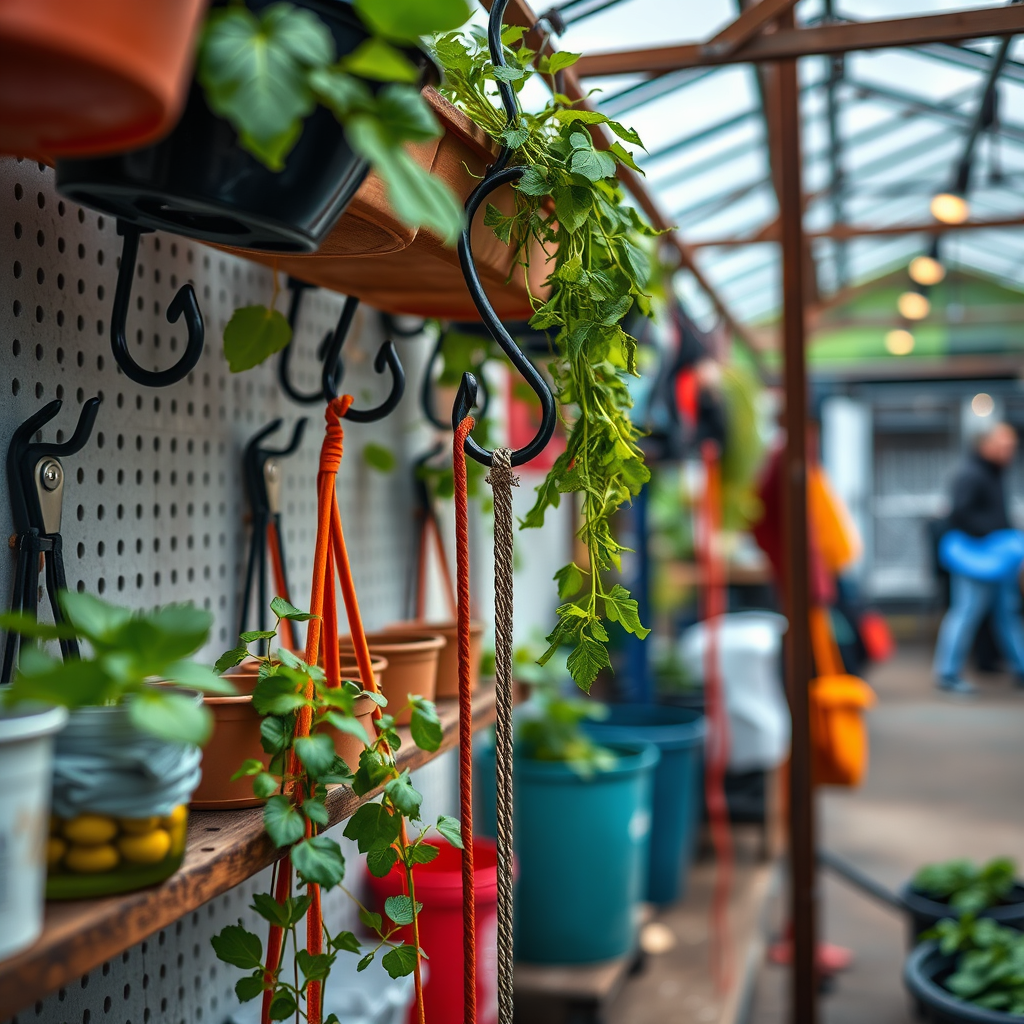
The foundation of an effective storage system starts with selecting the right hooks for your urban farming equipment. There are several types of hooks to consider, each suited for different applications. Wall-mounted hooks are ideal for hanging lighter tools such as trowels and pruning shears, while pegboard hooks can accommodate a variety of tools with adjustable spacing, allowing for a customizable setup. Ceiling hooks serve well for larger items like ladders or bulkier equipment that can be stored overhead, freeing up valuable ground space.
When choosing hooks, it’s essential to consider weight capacity and material durability. Heavy-duty metal hooks are preferable for storing heavier tools, such as shovels or hoe heads, while plastic or lighter materials may suffice for smaller, lightweight tools. It’s also wise to assess the environment of your storage area; for instance, if you’re storing equipment outdoors, opt for rust-resistant materials to ensure longevity. Choosing the right hooks will not only enhance safety but also promote ease of use when you need to access your tools.
Organizing Your Space
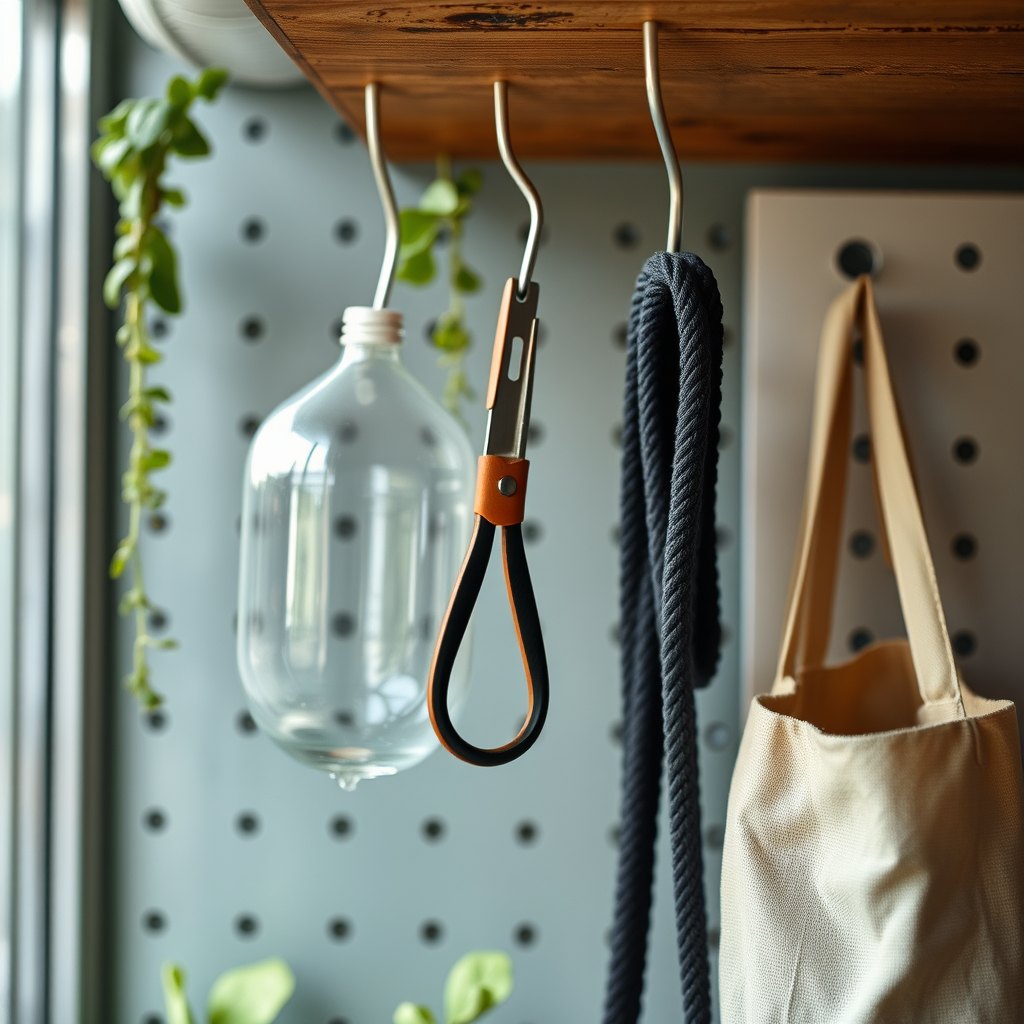
Effective organization of your urban farming space involves strategic placement of hooks based on the frequency of use and ease of access. Start by categorizing your tools into groups based on how often you use them. For example, frequently used items such as watering cans or hand tools should be placed at eye level or within easy reach. Conversely, seasonal tools that are used less often, such as snow shovels or specialized planting tools, can be stored higher up or in less accessible areas.
Utilizing vertical space is key to maintaining an organized environment. If space permits, install a pegboard on a wall to hang multiple tools in a compact manner, which reduces clutter on the ground and makes it easy to see what you have at a glance. Additionally, consider labeling each hook or storage area, which can further streamline your farming routine. This organization not only saves time but also ensures that your workspace remains functional and efficient.Seasonal Storage Tips

To keep your urban farming tools in prime condition, implementing a seasonal rotation plan is beneficial. This involves reviewing your equipment at the change of each season and determining which tools will be used less frequently. For instance, as winter approaches, you might want to store your summer gardening tools in a less accessible area, while bringing forward any winter gardening equipment.
Additionally, tools that are not used regularly should be stored higher or in less accessible areas to avoid clutter. Use this opportunity to clean and maintain your equipment before storing it away. For instance, wipe down garden spades and pruners to prevent rust and remove any dirt that could harbor pests. This proactive approach not only keeps your tools in great shape but also prepares you for the upcoming season.
Custom Hook Solutions
If you have unique tools or equipment sizes that do not fit standard hooks, consider creating custom hook solutions. DIY hooks can be made from durable materials like wood or metal, tailored specifically to the dimensions of your tools. For example, a wooden block with strategically placed dowels can serve as an excellent storage solution for hand tools.
Customizing your storage solutions allows you to accommodate unusual shapes or sizes that might otherwise be challenging to store. Furthermore, personalized hooks can enhance the aesthetic appeal of your urban farming setup. By aligning your storage system with your specific needs, you not only maximize efficiency but also create a more cohesive and inviting workspace.
Maintaining Your Storage System
An organized storage system requires regular maintenance to ensure that equipment is in good condition and stored properly. Implement a review process on a monthly or seasonal basis to check the condition of your tools, replace any broken hooks, and reassess your storage needs as your urban farming activities change.
Encouraging good organization habits is equally important. Make it a standard practice to return tools to their designated hooks after each use. You might consider setting up a “tool return” station near your workspace to remind yourself and any helpers to keep the area tidy. This small effort can lead to significant improvements in maintaining an organized farming environment.
Safety Considerations
When storing tools on hooks, safety should always be a top priority. Heavy or sharp tools must be securely fastened to prevent accidental falls or injuries. Ensure that hooks are mounted firmly to withstand the weight of the tools they hold. Additionally, consider using safety caps or guards on sharp tools when they are hung.
Another important aspect of safety is ensuring that walkways and work areas remain clear. Overcrowding a space with tools can lead to tripping hazards. Regularly assess your layout and adjust hooks as needed to maintain a safe working environment. A well-placed hook system not only enhances efficiency but also minimizes safety risks associated with urban farming.
By implementing these strategies, you can create a well-organized storage system for your urban farming equipment. Consider starting with a few hooks this weekend to enhance your setup, which will ultimately contribute to a more efficient farming experience. The benefits of an organized space are not just aesthetic; they improve workflow, ensure safety, and prolong the life of your tools. Embrace these practices to cultivate a thriving urban farming endeavor.
Frequently Asked Questions
What types of hooks are best for storing self-sufficient urban farming equipment?
The best types of hooks for storing self-sufficient urban farming equipment include heavy-duty wall hooks, pegboard hooks, and ceiling-mounted hooks. Heavy-duty wall hooks can support larger tools like shovels and hoes, while pegboard hooks offer versatility for organizing smaller items such as gloves and seed packets. Ceiling-mounted hooks are ideal for hanging items like ladders or large bags of soil, maximizing vertical space in urban settings.
How can I efficiently organize my urban farming tools using hooks?
To efficiently organize your urban farming tools using hooks, start by categorizing your equipment based on usage and size. Use larger hooks for heavy tools and smaller hooks for lightweight items. Installing a pegboard with adjustable hooks will allow you to customize your storage as your collection grows, ensuring easy access while keeping your urban farming space tidy.
Why is it important to store urban farming equipment with hooks?
Storing urban farming equipment with hooks is important for multiple reasons: it saves space, enhances accessibility, and prolongs the lifespan of your tools. By keeping tools off the ground and properly organized, you reduce the risk of damage and make it easier to find what you need quickly, promoting a more efficient urban farming experience.
What features should I look for in hooks for urban farming storage?
When selecting hooks for urban farming storage, look for features such as weight capacity, material durability, and ease of installation. Opt for hooks made from rust-resistant materials like stainless steel or powder-coated metal to withstand outdoor conditions. Additionally, consider hooks with rubberized grips to prevent tools from slipping and falling, ensuring safety and stability.
Which storage solutions complement hooks for urban farming equipment?
Storage solutions that complement hooks for urban farming equipment include shelves, toolboxes, and storage bins. Combining hooks with wall-mounted shelves can help keep frequently used items within reach while providing extra space for larger containers and supplies. Toolboxes or bins can be used for storing small tools and accessories, keeping your urban farming area organized and clutter-free.
References
- Urban agriculture
- https://www.ams.usda.gov/reports/urban-agriculture
- https://www.nrdc.org/stories/urban-farming
- https://www.fs.usda.gov/working-with-us/urban-and-community-forestry
- https://www.extension.purdue.edu/extmedia/ID/ID-439-W.pdf
- https://www.ncbi.nlm.nih.gov/pmc/articles/PMC7060289/
- https://www.planetforward.org/idea/how-urban-farming-creates-a-sustainable-future