Hanging Hooks for Displaying Aquatic-Themed Art
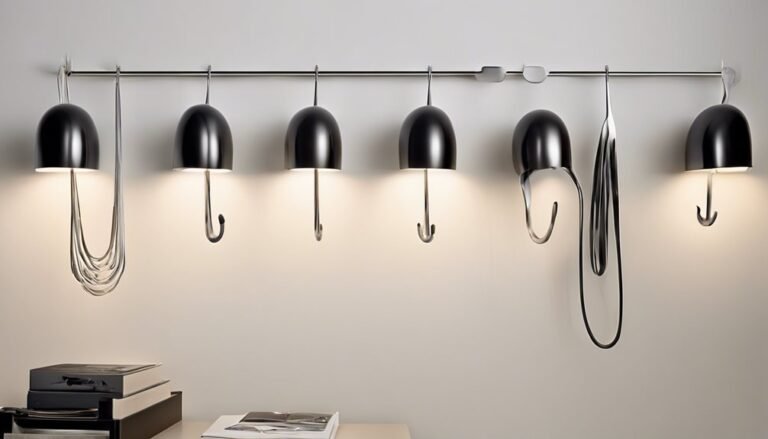
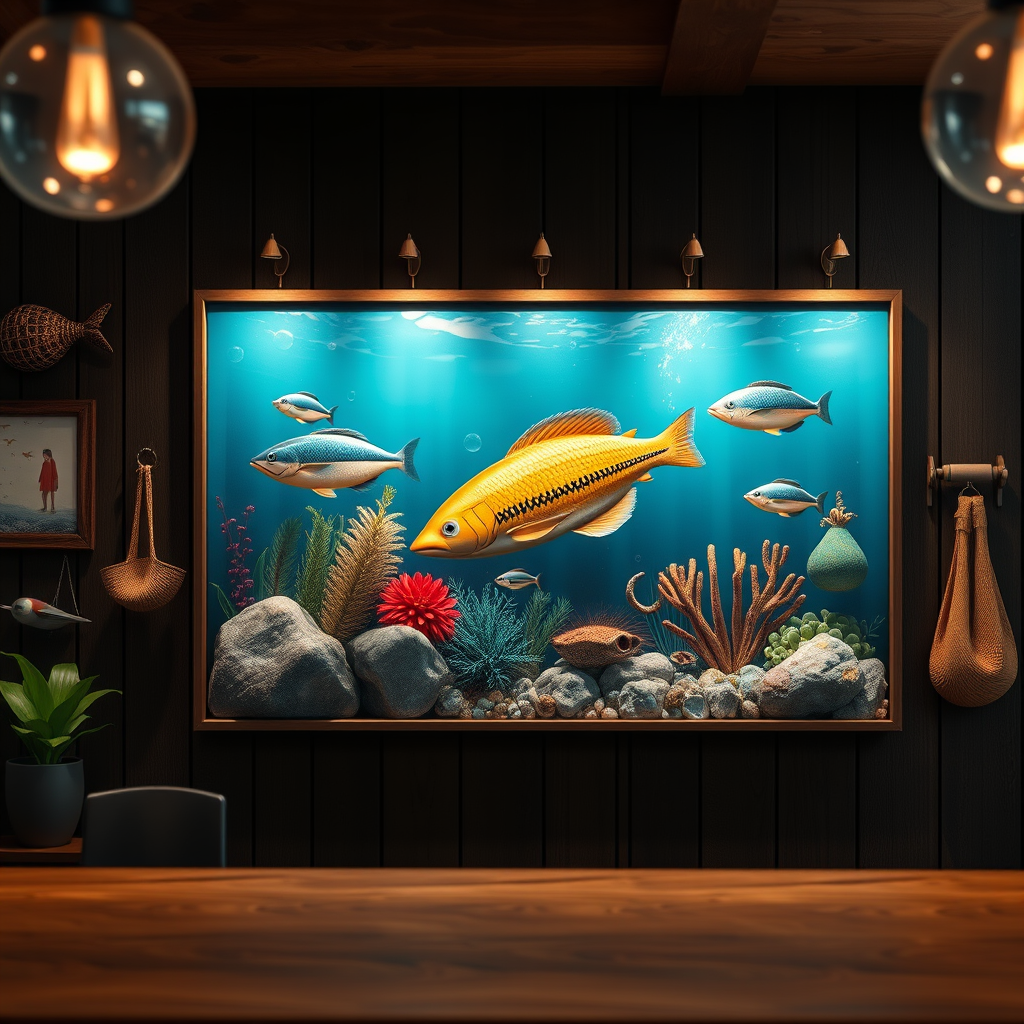
Displaying aquatic-themed art can be beautifully accomplished with the right hanging hooks. Using specialized hooks not only enhances the presentation of your artwork but also ensures its safety and stability. The right choice of hooks can make a significant difference in how your art is perceived, allowing you to showcase your love for marine life in a professional and aesthetically pleasing manner. In this article, you’ll discover the best types of hooks to use, tips for hanging, and creative ideas to showcase your aquatic art effectively.
Choosing the Right Hooks
When it comes to displaying art, selecting the appropriate hanging hooks is crucial for both aesthetics and functionality. Various types of hooks are available, each with specific advantages depending on your needs and the weight of your artwork.
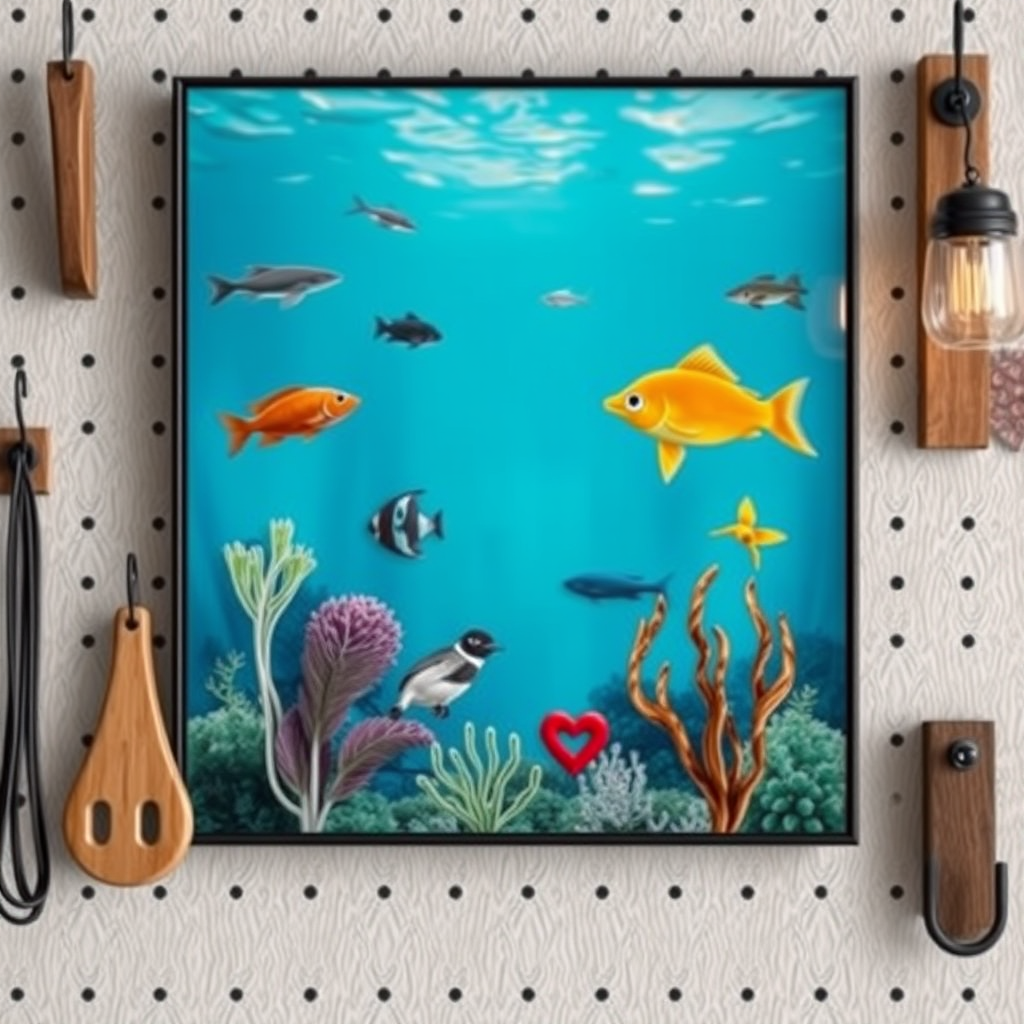
Adhesive Hooks: These are ideal for lightweight pieces and can be easily applied to smooth surfaces without damaging the wall. Brands like Command offer hooks that can hold up to several pounds, making them perfect for framed prints or small canvas artworks.
Wall-Mounted Hooks: For heavier or larger pieces, wall-mounted hooks are the best option. They come in different materials, including metal and plastic, and are designed for durability. Ensure that you choose hooks rated for the weight of your artwork; for instance, a heavy metal hook might support up to 50 pounds, making it suitable for large canvases.
Ceiling Hooks: If you want to create a unique display that utilizes vertical space, consider ceiling hooks. These can hold items such as mobile art or even hanging terrariums with aquatic plants, adding dimension to your space.
When selecting hooks, always consider the weight limits and compatibility with various art mediums. For instance, a solid wood frame will require a different hook than a lightweight canvas. Checking the manufacturer’s specifications for weight capacity is essential to avoid accidents.
Preparing Your Space
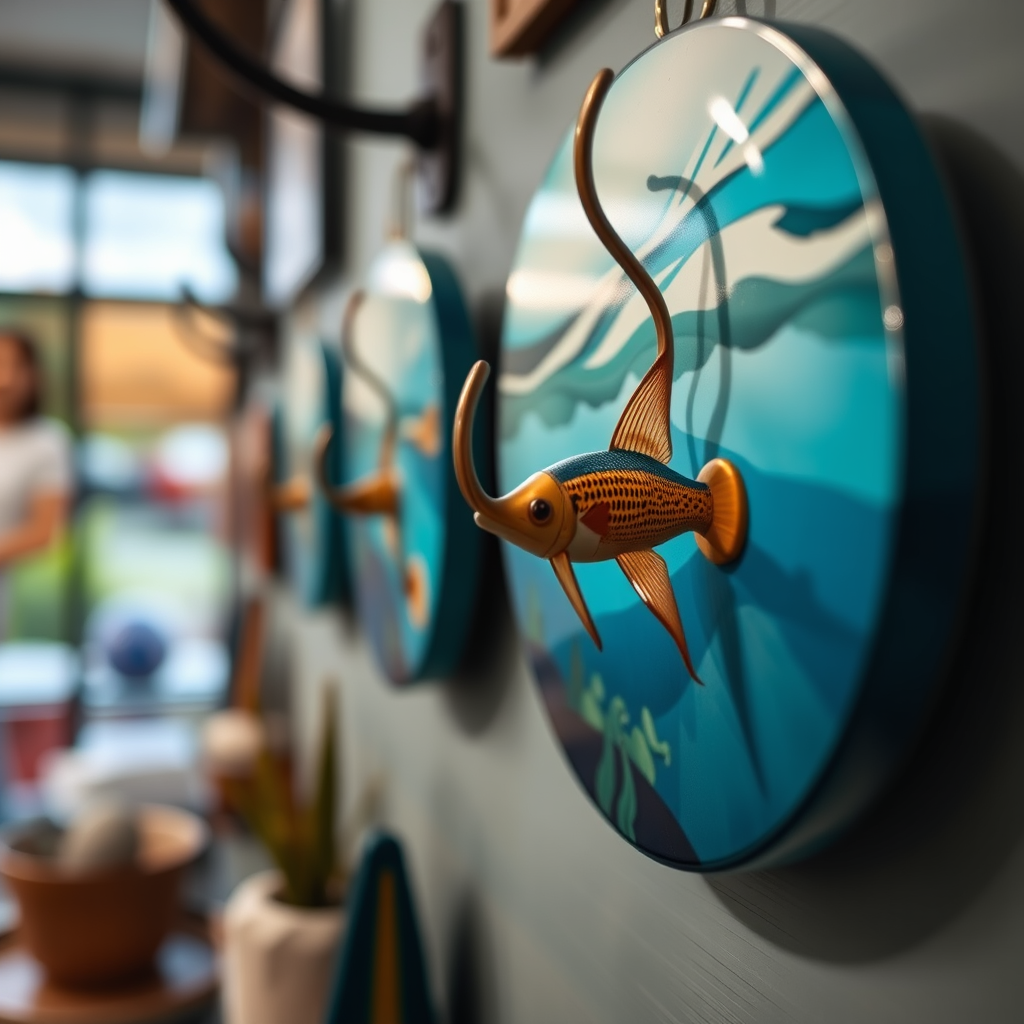
Before hanging your aquatic-themed art, it’s vital to assess your wall or display area thoroughly. Look for a location that enhances the artwork while allowing it to stand out. Consider factors such as lighting, visibility, and the overall aesthetic of the room.
Ensure the surface is clean and suitable for the type of hook you plan to use. For adhesive hooks, the surface should be smooth and free of dust and grease, while wall-mounted hooks require solid drywall or studs for optimal support. Using a stud finder can help you locate the best positions for heavy pieces.
In addition to physical space, consider the color scheme and decor around your aquatic-themed artwork. Aim for a harmonious blend that complements the colors and themes of your pieces, enhancing the overall visual impact.
Techniques for Hanging Aquatic Art
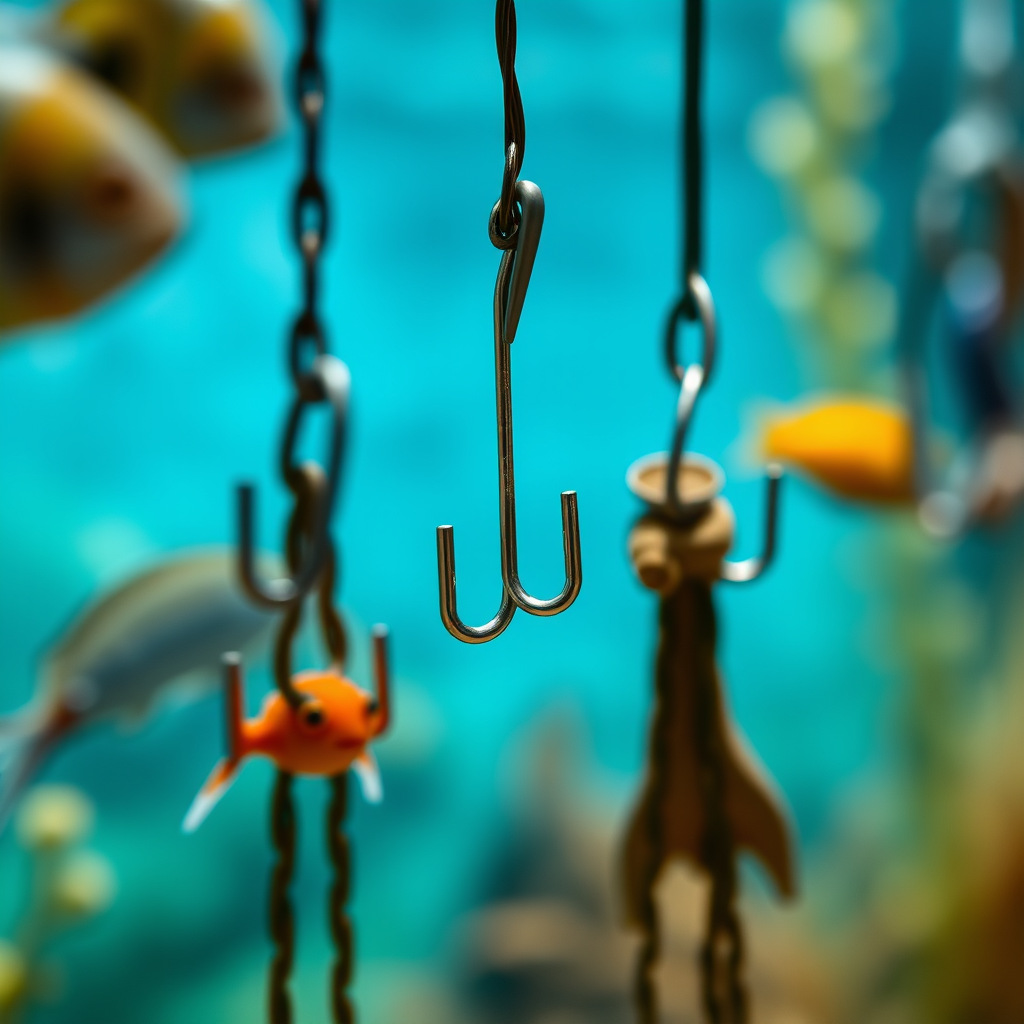
Hanging art might seem straightforward, but achieving visual harmony requires some techniques. First, determine the correct height for your artwork. A general rule of thumb is to hang art at eye level, which is approximately 57 to 60 inches from the floor. However, this can vary based on the viewer’s height and the surrounding furniture.
Spacing is equally important, especially when hanging multiple pieces. For a cohesive look, maintain equal spacing between artworks, typically around 2 to 5 inches, depending on the size of the pieces.
Using a level and measuring tape is essential for precise placements. Mark the wall lightly with a pencil where your hooks will go, ensuring everything aligns properly. For larger displays, consider creating a paper template of your artwork and using it as a guide before committing to drilling.
Creative Display Ideas
To further enhance the presentation of your aquatic-themed art, consider incorporating natural elements into your display. For instance, using driftwood as a mounting base for smaller pieces can create an immersive aquatic theme that resonates with the ocean’s beauty. Shells can also be used as decorative accents alongside your artwork, offering a tactile experience that draws viewers in.
Another engaging approach is to arrange multiple pieces in a gallery-style layout. This can create a dynamic effect and allow various artworks to tell a cohesive story. Use different sizes and framing styles to add interest, but maintain a unifying element, such as a common color palette or theme, to keep the display visually coherent.
Additionally, consider thematic groupings; for example, you might display artwork featuring sea turtles alongside pieces depicting coral reefs, creating a visual narrative that celebrates marine biodiversity.
Maintenance and Care
Maintaining the integrity of both your hooks and the artwork is crucial for longevity. Regularly check the stability of the hooks and ensure they haven’t loosened over time. For wall-mounted hooks, inspect the screws and the wall condition to prevent sagging or dislodgment.
Cleaning your aquatic-themed art is also vital to preserving its beauty. Dust frames and glass surfaces with a soft, lint-free cloth. Avoid using harsh chemicals that may damage the artwork or its framing. For canvas pieces, consider gentle vacuuming with a brush attachment to remove dust without damaging the fabric.
Seasonal Decorating Tips
To keep your display fresh and engaging, consider rotating displayed pieces based on seasons or ocean-related events. For instance, during the summer months, you might showcase beach-themed art, while winter could feature more subdued ocean landscapes.
Using hooks creatively can also allow for themed displays during special occasions, such as marine conservation awareness days or World Oceans Day. Incorporating educational materials alongside your art can enhance the viewer’s experience and spark conversations about ocean preservation.
Troubleshooting Common Issues
Despite careful planning, you may encounter common problems when hanging art. One frequent issue is hooks pulling away from the wall, especially if they are not suited for the weight of the artwork. To remedy this, ensure that you are using the right type of hook for the piece’s weight and consider reinforcing with additional wall anchors if necessary.
Artwork slipping can also be an issue, particularly with heavier frames. To prevent this, use rubber bumpers on the back of frames to create friction and keep them securely in place. Additionally, if you’re using adhesive hooks, ensure that they are applied correctly and that the surface is adequately prepared.
Summarizing these insights, using the right hanging hooks can transform your aquatic-themed art into a stunning focal point in your space. By selecting appropriate hooks, preparing your display area, and employing creative hanging techniques, you can showcase your passion for marine life elegantly and effectively. Experiment with different styles and ideas to create a unique display that reflects your love for marine art. Ready to enhance your walls? Start selecting your hooks and get creative!
Frequently Asked Questions
What types of hanging hooks are best for displaying aquatic-themed art?
When choosing hanging hooks for aquatic-themed art, look for options that are sturdy and designed to support the weight of your artwork. Popular choices include wall-mounted metal hooks, adhesive hooks for lighter pieces, and decorative wooden hooks that complement oceanic themes. Ensure the hooks have a corrosion-resistant finish, especially if displayed in humid environments like bathrooms or near pools.
How do I properly install hanging hooks for aquatic-themed art?
To install hanging hooks for aquatic-themed art, start by selecting the right location and ensuring the wall surface is suitable. Use a level to mark where the hook will go, then drill a pilot hole for secure placement. For heavier pieces, it’s advisable to use wall anchors or screws that can support the weight, ensuring your aquatic art remains safely displayed without risk of damage.
Why should I use specialized hooks for hanging aquatic art instead of regular hooks?
Specialized hooks for hanging aquatic art are designed with aesthetics and functionality in mind. They often feature designs that complement marine themes, enhancing the overall look of your décor. Additionally, these hooks are typically made from materials that resist rust and corrosion, ensuring that your art remains securely displayed in environments that may be exposed to moisture, unlike standard hooks which may not offer the same durability.
What are the best practices for arranging aquatic-themed artwork using hanging hooks?
Best practices for arranging aquatic-themed artwork involve considering the size, color, and scale of each piece. Start by grouping similar colors or themes together, and vary the heights at which you hang the art to create visual interest. Use a measuring tape to ensure even spacing between pieces and consider the use of a gallery wall layout for a cohesive look that draws attention to your aquatic-themed collection.
Which materials are most effective for hanging hooks in a marine-themed environment?
The most effective materials for hanging hooks in a marine-themed environment include stainless steel, treated wood, and heavy-duty plastic. Stainless steel is ideal for moisture-prone areas due to its rust resistance, while treated wood adds a natural aesthetic that fits well with aquatic themes. Heavy-duty plastic hooks can also be a great option for lightweight pieces, providing versatility without compromising on style or durability.
References
- https://en.wikipedia.org/wiki/Art_display
- https://www.sciencedirect.com/science/article/pii/S2351978919301794
- https://www.arts.gov/publications/guide-public-art
- https://www.nytimes.com/2021/07/15/arts/design/art-installation.html
- https://www.nga.gov/education/kids/art-in-the-classroom.html
- https://www.si.edu/spotlight/artwork-displays
- https://www.historicengland.org.uk/advice/technical-advice/buildings/displaying-objects/
- https://www.theguardian.com/artanddesign/2020/jul/12/how-to-hang-art-in-your-home-a-guide-for-beginners