Hooks for Organizing Jump Scare Prop Setups
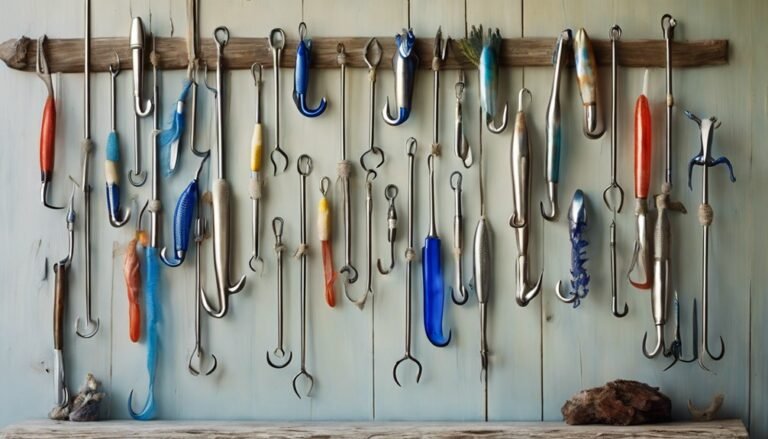
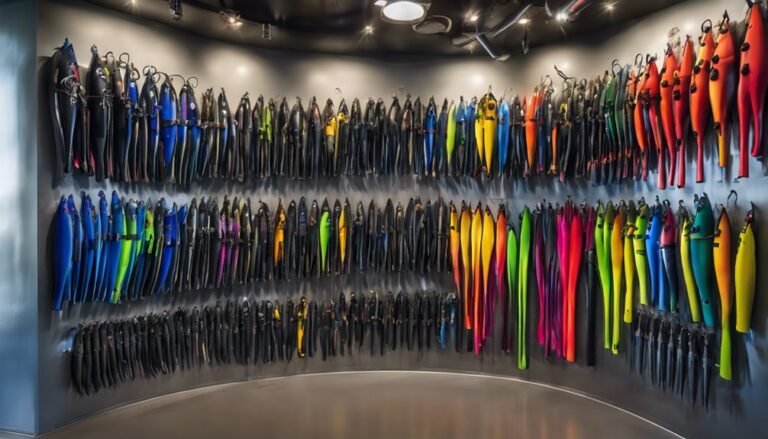
To effectively organize jump scare prop setups, use a combination of creativity and practicality. The right hooks not only enhance the scare factor but also streamline your setup process. By understanding the various types of hooks available, their strategic placements, and how to incorporate technology, you can create an engaging and thrilling experience for your audience. This article will guide you through selecting and utilizing hooks that elevate your jump scare experience while ensuring safety and efficiency.
Choosing the Right Hooks

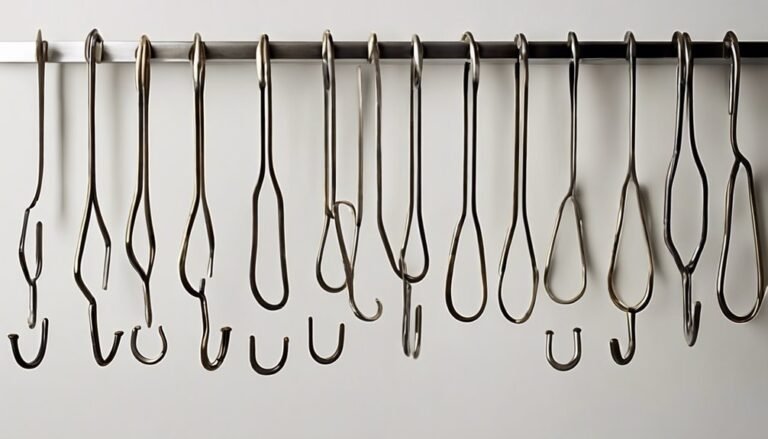
When it comes to jump scare prop setups, the selection of hooks is crucial. Begin by considering the weight capacity of the hooks. Each prop has a different weight; for instance, a lifelike rubber mannequin will require a sturdier hook than a lightweight fabric ghost. Hooks that can support at least double the weight of your props will ensure stability and prevent accidents.
Material also plays a significant role in your choice of hooks. For indoor setups, lightweight metal or robust plastic hooks may suffice, but outdoor setups demand more durable materials like stainless steel or heavy-duty plastic. These materials resist corrosion and wear from environmental factors, ensuring your props remain securely attached throughout the season. For example, choosing galvanized steel hooks for an outdoor haunted house can significantly increase the longevity and safety of your setup.
Strategic Placement of Hooks

The placement of hooks can dramatically affect the effectiveness of your jump scares. Height considerations are essential; positioning hooks at varying heights can create dynamic scares that catch the audience off guard. For example, placing a prop at eye level can create a direct confrontation, while a scare from above can add an element of surprise.
Balancing visibility and concealment is also vital. While you want hooks to be accessible for quick adjustments, they should not detract from the illusion of the scare. Using hooks that blend into the environment—like dark-coated hooks in a shadowy corner—allows you to maintain the aesthetic while ensuring that your props are easily reachable. Utilize creative camouflage techniques, such as vines or fabric drapes, to disguise the hooks while still allowing for effective use.
Types of Hooks for Different Props
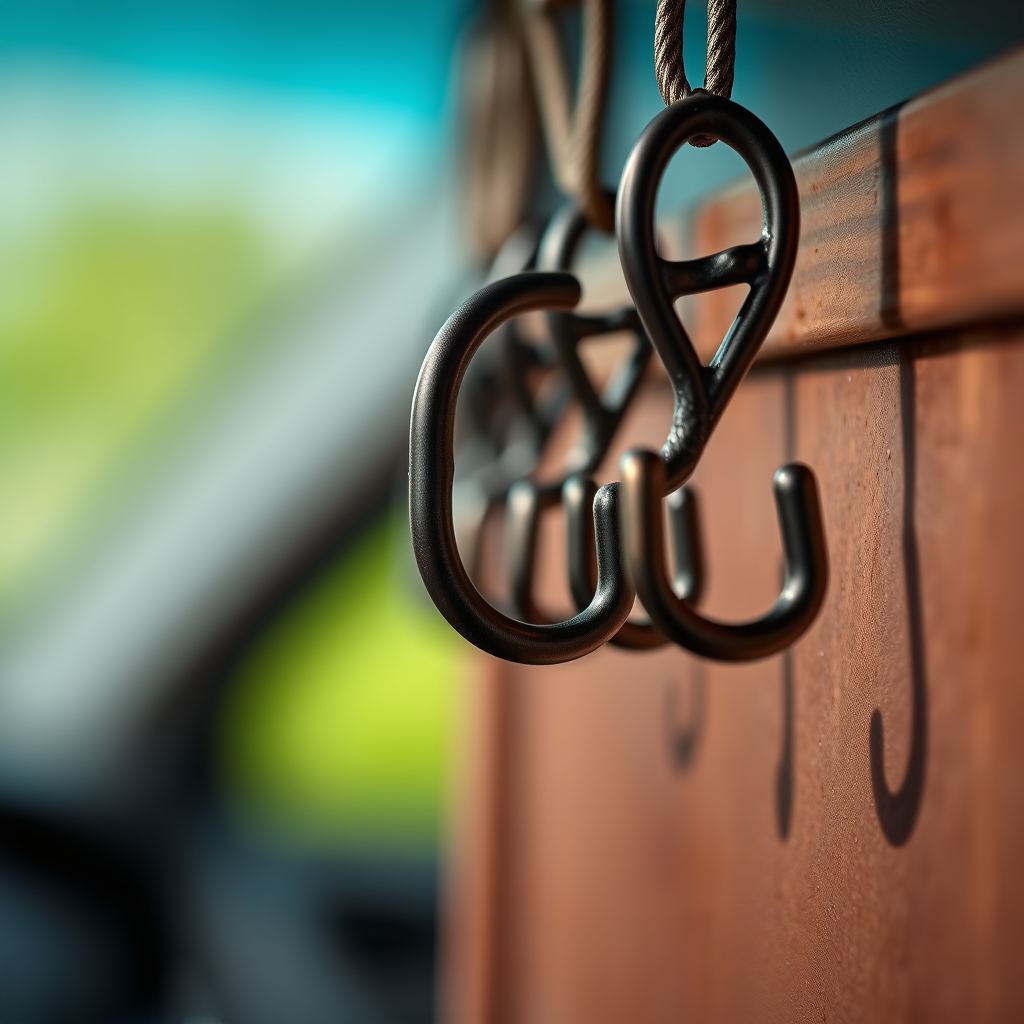
Different props require specific types of hooks for optimal placement and performance. Wall-mounted hooks are ideal for props that need to remain stationary, such as hanging skeletons or static scare figures. These hooks can be installed flush against the wall, providing a clean and effective solution for maintaining the position of your props.
On the other hand, magnetic hooks offer versatility, allowing for quick changes and repositioning of props. For instance, if you want to shift a flying bat prop from one location to another during a performance, magnetic hooks can facilitate that movement seamlessly. This flexibility is invaluable for interactive haunted attractions, where audience engagement is crucial. Magnetic hooks can also be used to create dynamic scenarios, such as a prop that falls or swings from a designated spot at a moment’s notice.
Creating a Themed Setup
A cohesive theme enhances the overall immersion of your jump scare setup. Color coordination is a simple yet effective strategy; using hooks that match your theme—such as rusty hooks for a haunted graveyard or bright, spooky colors for a carnival setting—can make your setup visually appealing.
Prop alignment is equally important. Organize hooks to guide the flow of the scare experience, leading the audience through a narrative. For example, if you are creating a horror scene in a dilapidated house, position hooks to create a path that directs the audience’s gaze toward the most terrifying elements. This strategic arrangement elevates the storytelling aspect and enhances the overall scare factor.
Maintenance and Safety Tips
Regular inspections of your hooks and props are essential to ensure safety and prevent accidents. Over time, wear and tear can compromise the stability of your setup. Conduct thorough checks at the beginning and end of each season, focusing on the integrity of the hooks and the condition of the props.
Additionally, secure attachments are crucial to avoid any mishaps. Use safety clips, zip ties, or additional anchors to ensure props remain attached to their respective hooks. For instance, if you are using a hook to suspend a prop, consider adding a secondary support line to catch the prop in case the hook fails. This extra precaution can save you from potential injuries and maintain the integrity of your scare experience.
Utilizing Technology
Incorporating technology into your jump scare setups can significantly enhance the experience. Smart hooks that integrate with sound or motion sensors can create an unpredictable element, heightening the scare factor. For instance, a prop that suddenly swings or emits a sound when someone approaches can catch guests off guard, making for a more thrilling experience.App-controlled setups are also becoming increasingly popular. By using apps designed for prop management, you can control the timing and movement of your props remotely. This technology allows you to synchronize multiple elements in a haunted house, creating an orchestrated scare experience that can be adjusted in real time based on audience reactions.
Organizing jump scare prop setups effectively not only enhances the thrill but also ensures safety and efficiency. By choosing the right hooks, strategically placing them, and incorporating technology, you can create a spine-chilling experience that captivates your audience. Start planning your setup today to make the most of your jump scare props!
Frequently Asked Questions
What are the best hooks to use for organizing jump scare prop setups?
The best hooks for organizing jump scare prop setups are heavy-duty wall hooks, adhesive hooks, and ceiling hooks. Heavy-duty wall hooks can handle the weight of larger props and keep them securely in place, while adhesive hooks are ideal for temporary setups where you want to avoid damage to walls. Ceiling hooks are perfect for suspending props from above, adding an element of surprise for your jump scare. Always choose hooks that can support the weight of your props to ensure safety and effectiveness.
How can I effectively organize my jump scare props for a haunted house?
To effectively organize your jump scare props for a haunted house, categorize them by type—such as animatronics, sound effects, and visual props. Use labeled storage bins or shelves to keep everything accessible and orderly, allowing for quick setup and removal. Additionally, consider using a checklist to track the placement and functionality of each prop, ensuring that all jump scares are optimally executed during your event.
Why is it important to properly organize jump scare props?
Properly organizing jump scare props is crucial for several reasons. First, it enhances efficiency during setup, allowing you to quickly locate and install props, which is especially important when working under time constraints. Second, it reduces the risk of accidents or malfunctions during your event, ensuring a smooth experience for both the audience and the operators. Lastly, a well-organized setup helps maintain the overall aesthetic of your haunted environment, maximizing the impact of each scare.
Which tools are essential for setting up jump scare props?
Essential tools for setting up jump scare props include a drill with various drill bits, a tape measure, a level, and a utility knife. A drill is necessary for securely fastening hooks or brackets to walls or ceilings, while a tape measure ensures precise placement of props for maximum effect. A level helps you achieve an even setup, and a utility knife is useful for cutting materials or adjusting props to fit your specific requirements. Having these tools on hand will streamline your setup process.
How do I ensure my jump scare prop setups are safe for guests?
To ensure your jump scare prop setups are safe for guests, start by securing all props and equipment properly using appropriate hooks and fasteners. Regularly check for loose wires, unstable structures, or sharp edges that could pose hazards. Additionally, maintain clear pathways and ensure that the lighting is adequate to prevent trips and falls. Finally, conducting a walkthrough before the event can help identify any potential safety issues, allowing you to address them proactively.
References
- Jump scare
- https://www.sciencedirect.com/science/article/pii/S1877050919315242
- https://www.psychologytoday.com/us/blog/the-science-behind-our-fears/201806/the-psychology-jump-scares
- https://www.bbc.com/culture/article/20190531-how-jump-scares-are-woven-into-horror-cinema
- https://www.mentalfloss.com/article/62010/how-movie-makers-create-jump-scares
- https://www.thoughtco.com/jump-scare-techniques-in-horror-films-2713227