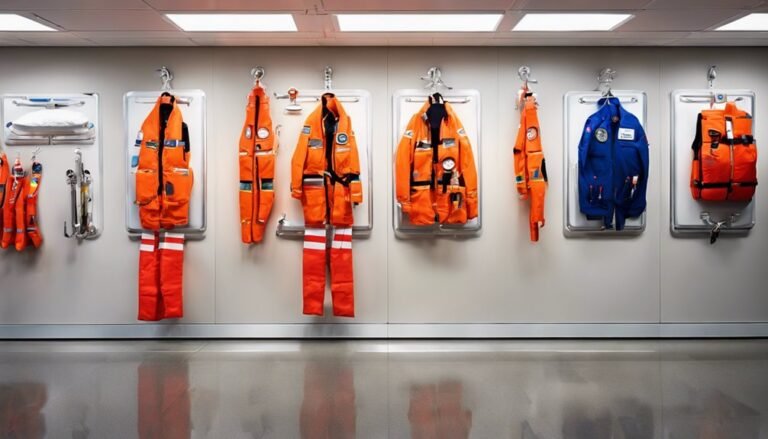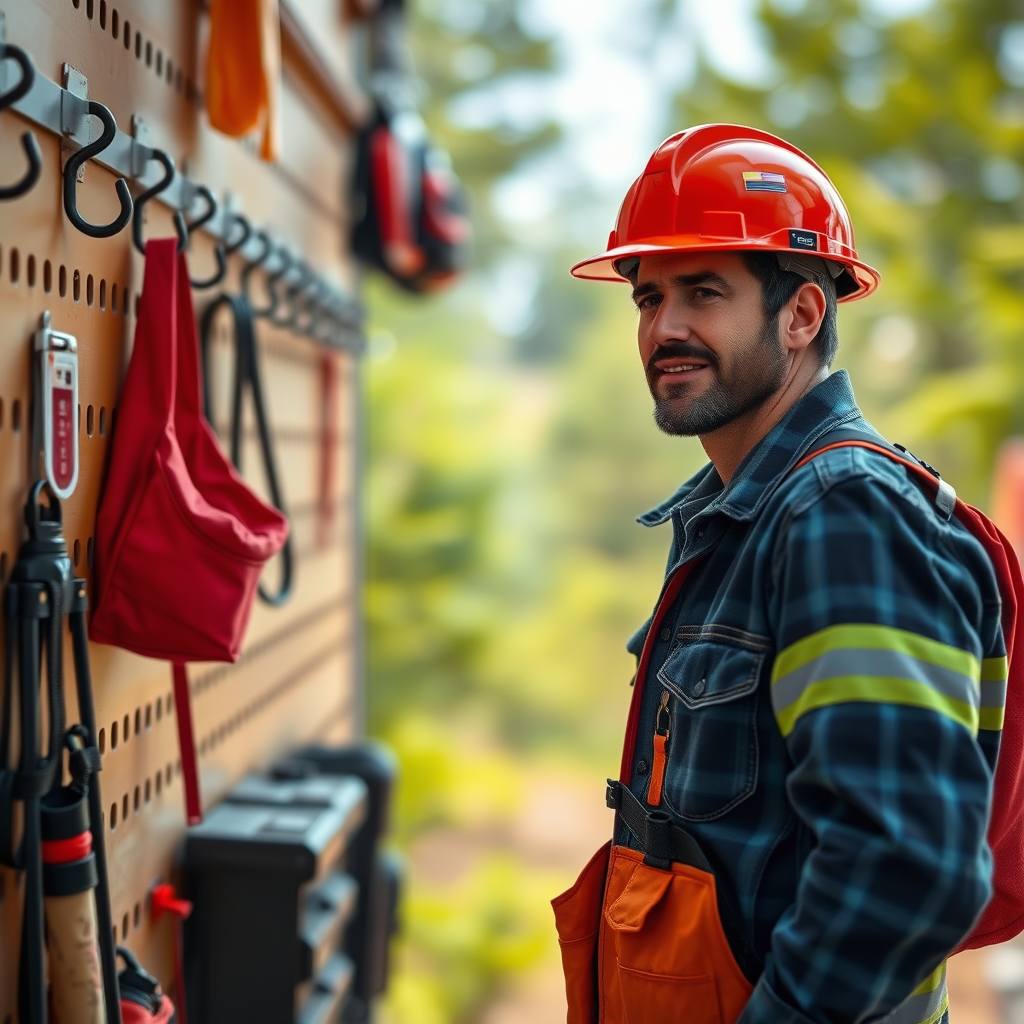
Hanging Hooks for Organizing Wildfire Safety Gear
To effectively organize wildfire safety gear, consider using hanging hooks to maximize space and accessibility. This simple solution not only keeps your equipment visible and ready for emergencies but also helps maintain a tidy environment. By employing the right types of hooks and strategically placing them, you can ensure that your safety gear is organized, easily accessible, and in excellent condition when it matters most. In this article, you’ll learn how to choose the right hooks, where to install them, and tips for organizing your gear efficiently.
Choosing the Right Types of Hooks
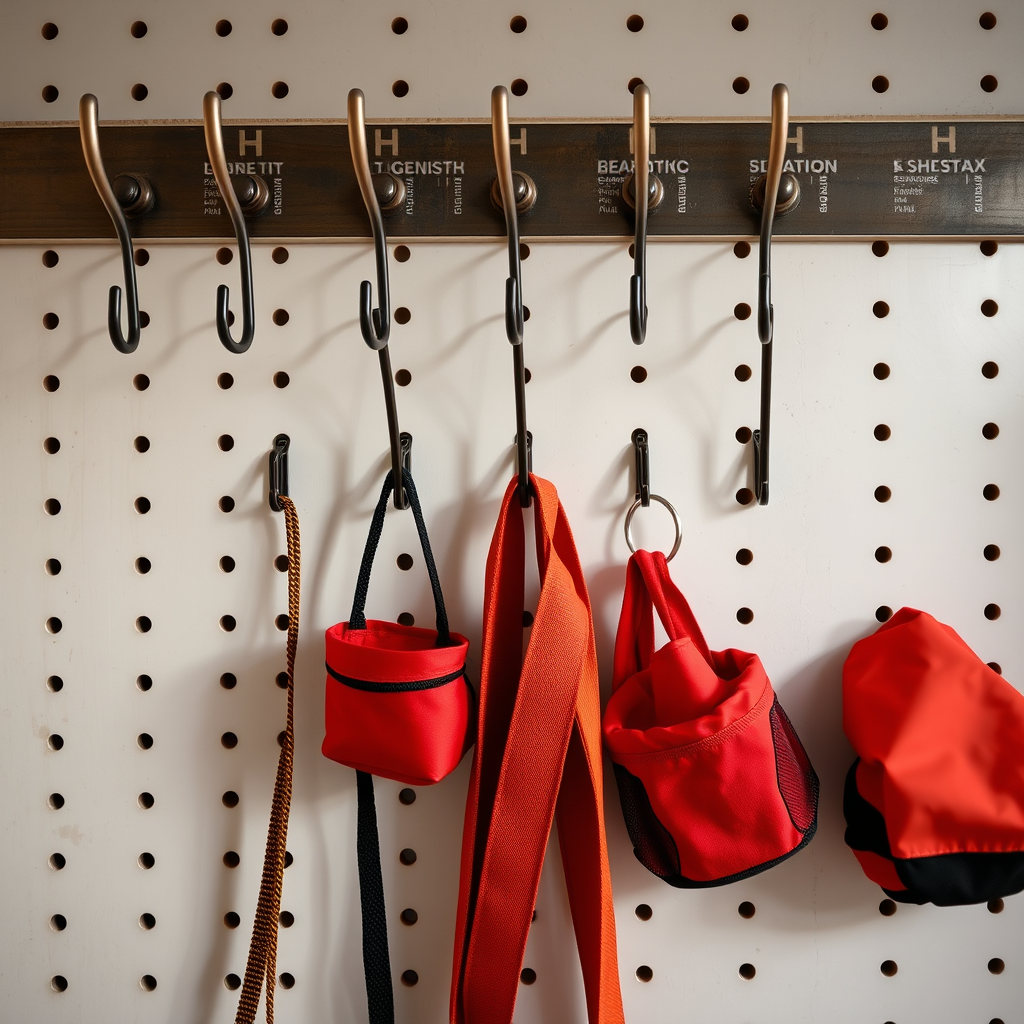
Selecting the appropriate hooks is crucial for effectively organizing your wildfire safety gear. Heavy-duty hooks are essential for supporting the weight of equipment such as fire extinguishers, helmets, and protective clothing. Look for hooks made from durable materials like stainless steel or reinforced plastic that can withstand various weather conditions if stored outdoors.
Adjustable hooks are another excellent option, as they can accommodate a range of items, ensuring that everything from jackets to tools can be hung securely. For instance, a hook that can be repositioned allows you to adapt your organization system as your gear inventory changes or as you acquire new items. Additionally, consider using multi-hook racks where several items can be hung from a single unit, optimizing wall space and providing a clutter-free appearance.Ideal Locations for Hook Installation
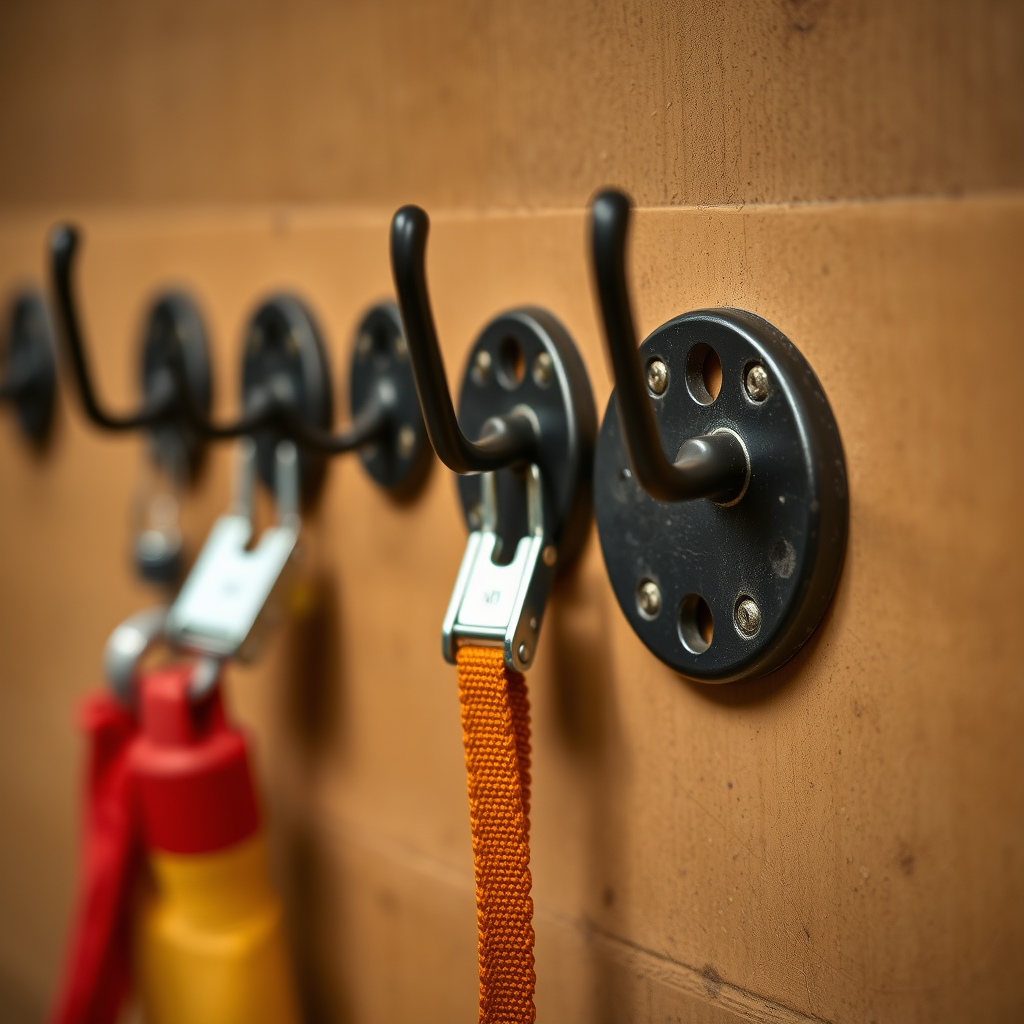
Once you’ve chosen the right types of hooks, the next step is determining where to install them. High-traffic areas are ideal for easy access to your gear. Consider placing hooks in garages, mudrooms, or near your home’s primary entrance, allowing all family members to quickly grab what they need in an emergency.
It’s also wise to think about accessibility; hooks should be installed at a height that allows everyone in your household, including children, to reach their gear comfortably. For taller items, such as ladders or long-handled tools, higher hooks might be necessary, but always ensure that shorter individuals can also access essential safety gear like helmets and gloves.
Organizing Gear by Category
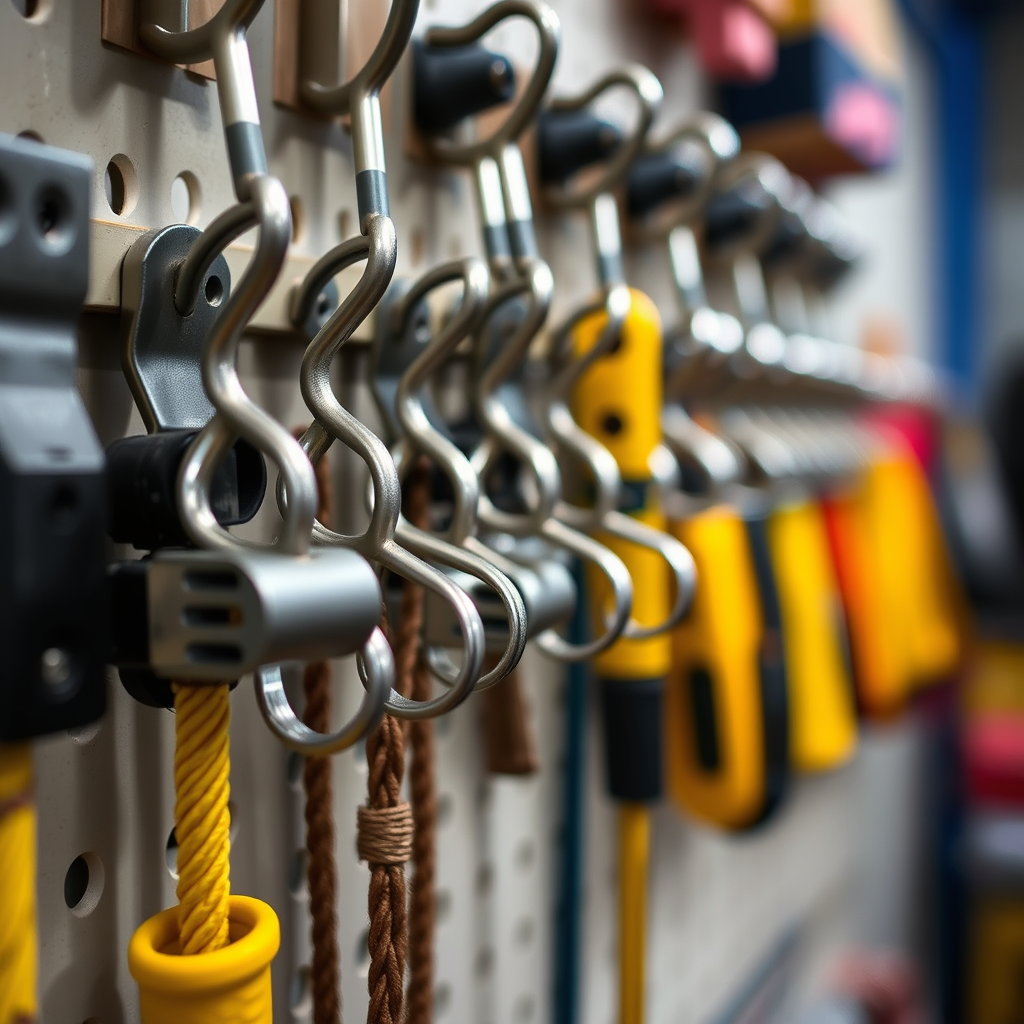
Organizing your wildfire safety gear by category is critical for efficiency and quick retrieval. Group items systematically—helmets, fire extinguishers, protective clothing, and tools should each have designated hooks. This not only enhances organization but reduces the time spent searching for equipment during emergencies.
Implementing color-coded tags or labels on hooks can further streamline the organization process. For example, use red tags for fire extinguishers, blue for protective clothing, and green for tools. This visual system allows anyone in your household to quickly identify what they need at a glance, minimizing confusion and maximizing preparedness.
Maintenance Tips for Your Gear
To ensure your wildfire safety gear remains effective, regular maintenance is crucial. Schedule periodic checks of your equipment to assess for damage or expiration dates, especially for critical items like fire extinguishers and first aid kits. Fire extinguishers should be inspected at least once a year, and it’s essential to replace them if the pressure gauge indicates low levels or if they show signs of physical damage.
Additionally, cleaning your gear is vital for longevity and functionality. For instance, protective clothing should be laundered according to the manufacturer’s instructions, while tools should be wiped down to remove dirt and debris. Keeping your equipment in good condition not only prepares you for emergencies but also fosters a sense of safety and security within your household.
Safety Considerations When Storing Gear
When organizing safety gear, it’s essential to prioritize safety in your storage decisions. Store heavier items, like fire extinguishers or tools, lower to the ground to prevent accidents and injuries. Conversely, lighter items such as helmets can be hung higher without posing a risk. Always remember to assess the weight distribution to avoid any hazards that could arise from improperly stored gear.
Moreover, hazardous materials, such as flammable substances or chemicals, should be stored separately from your safety gear. Ensure these items are clearly labeled and kept in a designated area away from other equipment to minimize risks. This approach not only enhances safety but also simplifies the retrieval process during emergencies.
Enhancing Visibility and Accessibility
For optimal accessibility, consider installing brightly colored hooks or using reflective materials that enhance visibility, particularly in low-light conditions such as during a wildfire emergency. This ensures that everyone can find the necessary gear quickly, even in stressful situations.
In addition to hooks, consider placing a checklist near your organized gear. This checklist should include items that need to be checked or gathered before leaving the house during a wildfire event. By regularly reviewing the checklist, you can ensure that your family is prepared and that all necessary equipment is accounted for.
With the right hooks and organizational strategies, you can ensure your wildfire safety gear is always ready and accessible. Start organizing your gear today to enhance your preparedness for wildfire emergencies. By investing time in setting up an efficient organizational system, you will not only be better prepared to respond to emergencies but also foster a culture of safety and awareness within your household.
Frequently Asked Questions
What are the best types of hanging hooks for organizing wildfire safety gear?
When organizing wildfire safety gear, the best types of hanging hooks include heavy-duty wall hooks, pegboard hooks, and ceiling-mounted hooks. Heavy-duty wall hooks can support the weight of bulky equipment like fire extinguishers and safety helmets, while pegboard hooks provide versatile storage for tools and smaller items. Additionally, ceiling-mounted hooks are ideal for keeping larger gear off the floor, maximizing space in your storage area.
How can I effectively use hanging hooks to keep my wildfire safety gear accessible?
To effectively use hanging hooks for your wildfire safety gear, first categorize your gear by type, such as personal protective equipment, tools, and emergency supplies. Install hooks at varying heights to accommodate different sizes and ensure that frequently used items are easily accessible. Label each hook or section to streamline the organization process, making it quicker to grab what you need during an emergency.
Why is it important to organize wildfire safety gear with hanging hooks?
Organizing wildfire safety gear with hanging hooks is crucial for quick access during emergencies, reducing the risk of panic and confusion. A well-organized setup ensures that all essential items, such as fire blankets, gloves, and masks, are readily available when needed. Additionally, proper organization helps maintain the condition of your gear by preventing damage and deterioration associated with improper storage.
Which materials are recommended for hanging hooks used in wildfire safety gear storage?
Recommended materials for hanging hooks include heavy-duty steel and rust-resistant coatings, as these materials offer durability and longevity in various conditions. Galvanized or powder-coated hooks are ideal for outdoor use, as they withstand exposure to moisture and temperature fluctuations. Using high-quality materials not only ensures the safety of your gear but also supports a reliable organization system.
What are some tips for installing hanging hooks for wildfire safety gear in my garage or shed?
When installing hanging hooks for wildfire safety gear in your garage or shed, ensure that you choose a sturdy wall or structure that can support the weight of your gear. Use a stud finder to locate solid wood beams for secure attachment and consider using wall anchors for drywall installations. Additionally, plan your layout ahead of time to optimize space and functionality, leaving room for future gear additions or adjustments.