Essential Hooks for Organizing Desert Survival Kits
To effectively organize a desert survival kit, categorize items based on their purpose and accessibility. This strategic approach not only enhances your ability to quickly find essential items during emergencies but also ensures that you are prepared for the unique challenges posed by a desert environment. In this article, we will explore essential hooks and strategies to help you create a well-structured and efficient desert survival kit that can save lives.
Understanding the Core Components
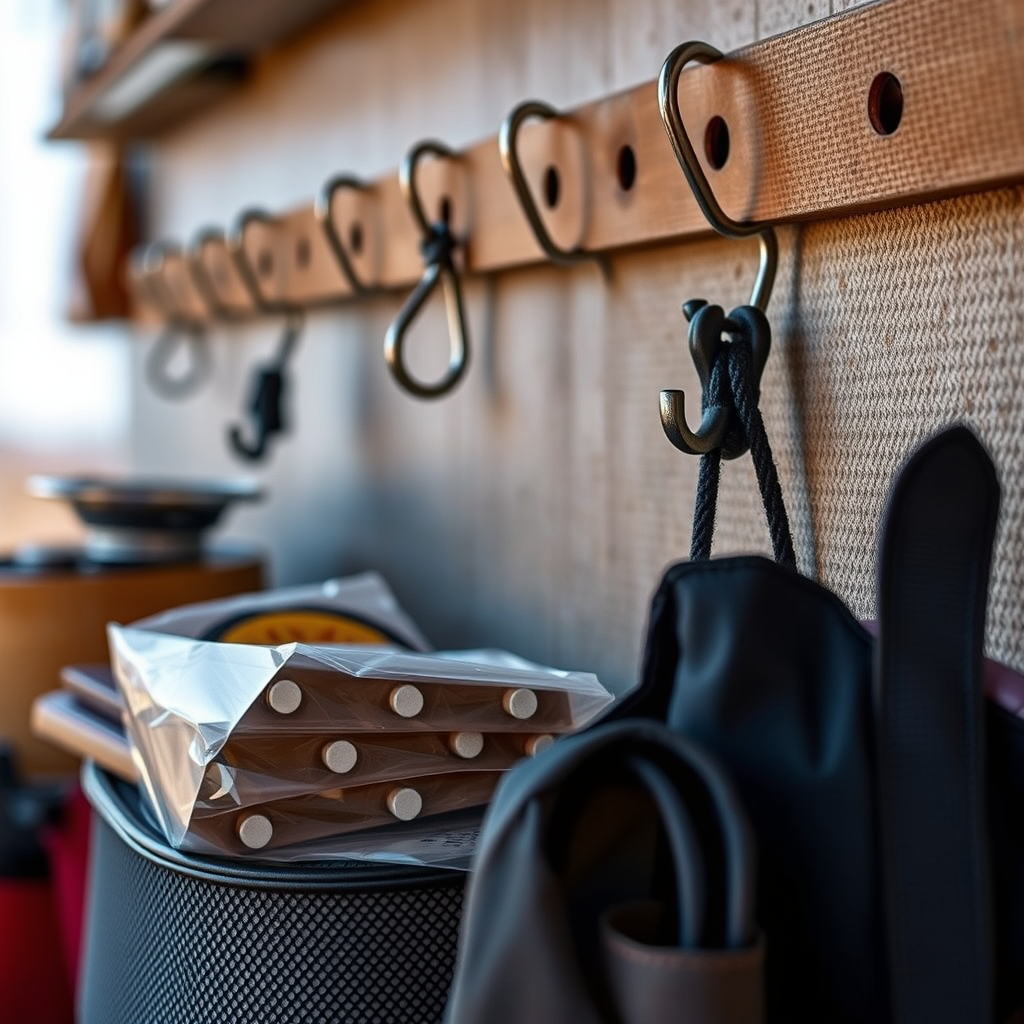
When organizing a desert survival kit, identifying the must-have items is crucial. Water purification tools are at the top of the list, as access to clean water can be a matter of life and death in arid conditions. Portable water filters, purification tablets, and collapsible water containers will ensure that you have a reliable water source. Equally important are food supplies; opting for high-calorie, lightweight options such as energy bars, dehydrated meals, and trail mix can sustain you during emergencies.
Furthermore, first aid essentials should never be overlooked. A well-stocked first aid kit should include bandages, antiseptics, pain relievers, and any necessary personal medications. Understanding the importance of navigation tools is vital as well; carrying a reliable map, compass, and a GPS device can help you maintain your bearings in a landscape that may appear disorienting. Ultimately, the core components of your survival kit should be tailored to the specific conditions of the desert environment and your personal needs.
Categorizing Survival Gear
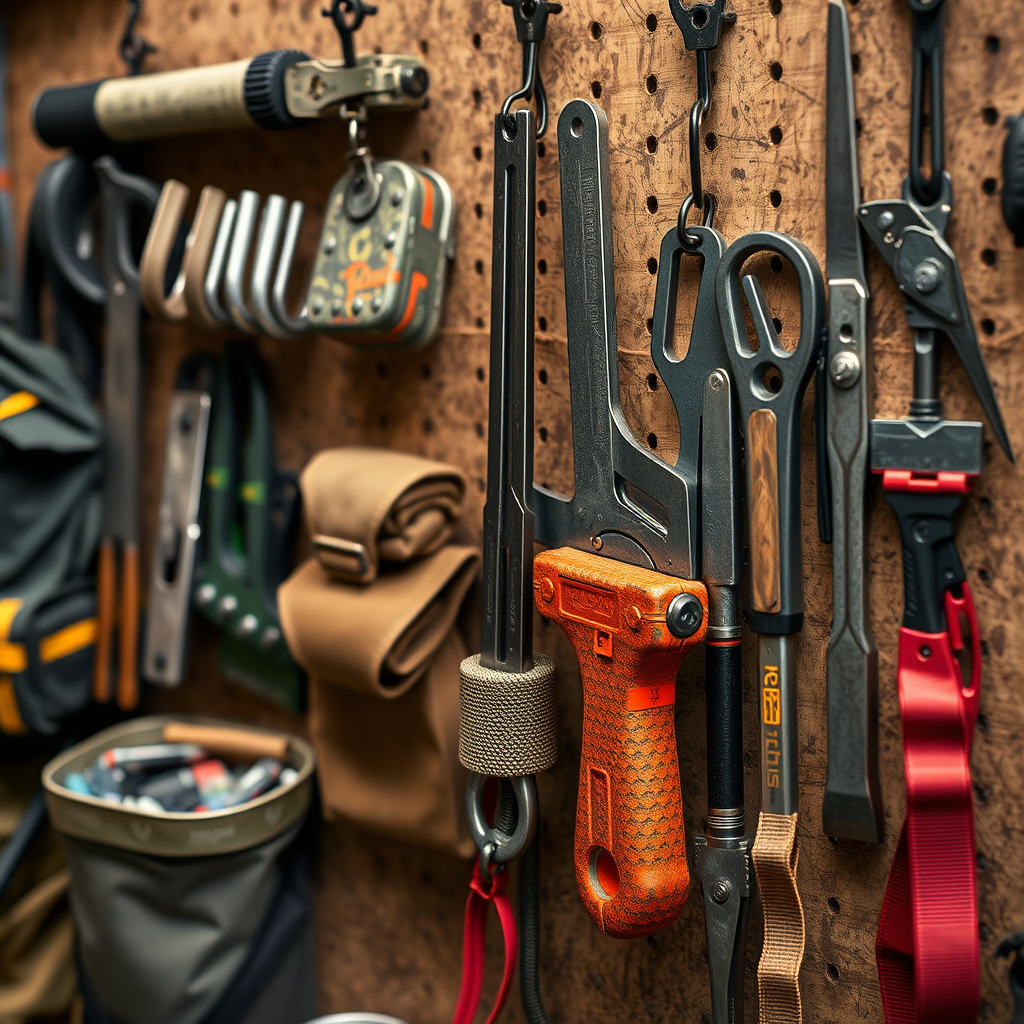
An effective way to streamline your desert survival kit is to divide items into specific categories: hydration, nutrition, shelter, and signaling. This method allows you to quickly locate what you need without wasting precious time in an emergency. For instance, all hydration-related items, such as water bottles, filters, and purification tablets, should be stored in one section. Similarly, group nutritional supplies like energy bars and canned food together, and keep shelter items, such as emergency blankets and tents, in another easily identifiable area.
Color-coded bins or labels can further enhance organization, making it visually easier to spot particular categories at a glance. For example, you might use blue labels for hydration, green for nutrition, yellow for shelter, and red for signaling gear. This categorization not only aids in quick retrieval but also helps in ensuring that your kit remains organized over time, reducing the risk of misplacing critical supplies.
Packing for Accessibility

Accessibility is paramount when it comes to packing your desert survival kit. Frequently used items, such as water purification tools or first aid supplies, should be arranged at the top of your kit or in easily accessible pockets. This consideration is crucial in emergency situations where every second counts. Additionally, consider using modular containers or pouches to separate gear within your kit. For instance, you might have one pouch dedicated solely to first aid supplies and another for navigation tools.
Utilizing zippered compartments can also be beneficial, as they offer secure storage while allowing for quick access. Opt for backpacks with multiple compartments or tactical vests with designated pockets for specific items. This organization not only improves accessibility but also minimizes chaos when retrieving necessary gear during a survival situation.
Weight Management Strategies
When preparing a desert survival kit, weight management is a critical factor. Carrying overly heavy gear can lead to fatigue, making it more challenging to navigate the harsh desert terrain. Prioritize lightweight materials when selecting survival gear; for instance, opt for a lightweight tarp instead of a heavy tent or choose a compact sleeping bag designed for desert conditions.
Regularly assess your kit to identify and remove non-essential items that add unnecessary weight. Consider conducting a weight audit where you weigh each item and evaluate its necessity. If an item is bulky and offers minimal benefit, it may be time to replace it with a more efficient alternative. This practice not only lightens your load but also helps you maintain physical endurance during your desert adventures.
Regular Updates and Maintenance
A well-organized desert survival kit requires regular updates and maintenance to ensure its effectiveness. Schedule periodic checks, ideally every six months, to replace expired items such as food and medical supplies. This proactive approach ensures that you are always equipped with fresh, usable gear in case of an emergency.
Additionally, adjust your kit based on seasonal changes or specific trip requirements. For instance, during hotter months, it may be wise to include additional sun protection items such as sunscreen and sunglasses, while cooler months might necessitate warm clothing and extra blankets. Tailoring your kit to your immediate environment and planned activities will enhance its usability and reliability.
Training and Familiarization
Finally, training and familiarization with your survival kit are essential for optimal performance in emergency situations. Practice using your survival kit regularly to ensure familiarity with all items. Conducting mock survival scenarios can build confidence and preparedness, allowing you to refine your skills in a controlled environment.
Consider enrolling in survival training courses that focus on desert environments, as these will provide valuable hands-on experience. Learning how to properly use each item in your kit can make a significant difference in a real-life situation, where stress and time constraints can impair your ability to think clearly.
In conclusion, the organization of a desert survival kit is crucial for effective response in emergencies. By categorizing your gear, prioritizing accessibility, and maintaining your kit, you can ensure that you are well-prepared for any desert adventure. Implementing these strategies today will enhance your safety and readiness in the great outdoors, allowing you to navigate the unique challenges of desert survival with confidence and competence.
Frequently Asked Questions
What essential items should I include in my desert survival kit?
A well-stocked desert survival kit should include items that address hydration, shelter, and first aid. Essential items are water purification tablets, a multi-tool, a durable tarp for shade, sunblock, a compass, a first aid kit, and non-perishable food like energy bars. Additionally, consider including a signaling device, such as a whistle or mirror, to attract attention in emergencies.
How can I organize my desert survival kit for easy access?
To ensure your desert survival kit is organized for easy access, use clear, labeled containers or dry bags to categorize items based on their function, such as hydration, food, and first aid. Pack heavier items at the bottom and lighter ones on top to maintain balance. Regularly check and update your kit to replace expired items and keep it lightweight for transport.
Why is it important to have a desert survival kit when traveling?
Having a desert survival kit is crucial when traveling in desert areas due to the extreme climate and potential hazards such as dehydration, heat exhaustion, and getting lost. The harsh conditions can rapidly lead to perilous situations, making it essential to be prepared. A survival kit equips you with necessary tools and supplies to increase your chances of survival until help arrives.
What are the best practices for maintaining my desert survival kit?
To maintain your desert survival kit effectively, perform regular checks at least twice a year, ensuring all items are functional and not expired. Store your kit in a cool, dry place to prevent damage from heat and moisture. Additionally, familiarize yourself with the contents and practice using them to ensure you’re prepared in case of an emergency.
Which additional items can enhance my desert survival kit?
To enhance your desert survival kit, consider adding items like a portable solar charger for electronic devices, a lightweight sleeping bag, and insect repellent. A fire-starting kit, such as waterproof matches or a flint striker, is also valuable for warmth and cooking. Tailor your kit to your specific needs and the duration of your stay in the desert for optimal preparedness.
References
- Survival kit
- https://www.ready.gov/survival-kit
- https://www.redcross.org/get-help/how-to-prepare-for-emergencies/survival-kit.html
- https://www.nps.gov/articles/survival-skills.htm
- https://www.fs.usda.gov/managing-land/fire/survival-safety
- https://www.ncbi.nlm.nih.gov/pmc/articles/PMC6091520/
- Wilderness Survival: Free info covering all aspects of survival.
- https://www.cdc.gov/disasters/prepare.html