Effective Hooks for Storing Emergency Evacuation Bags
Incorporating effective hooks for storing emergency evacuation bags is essential for quick access during a crisis. Utilizing the right storage solutions not only keeps your bags organized but also ensures you can grab them swiftly when needed. An efficient storage system minimizes confusion and optimizes your preparedness, allowing you to focus on what matters most when facing an emergency. This article will explore practical hooks and storage strategies to optimize your emergency preparedness.
Understanding the Importance of Proper Storage
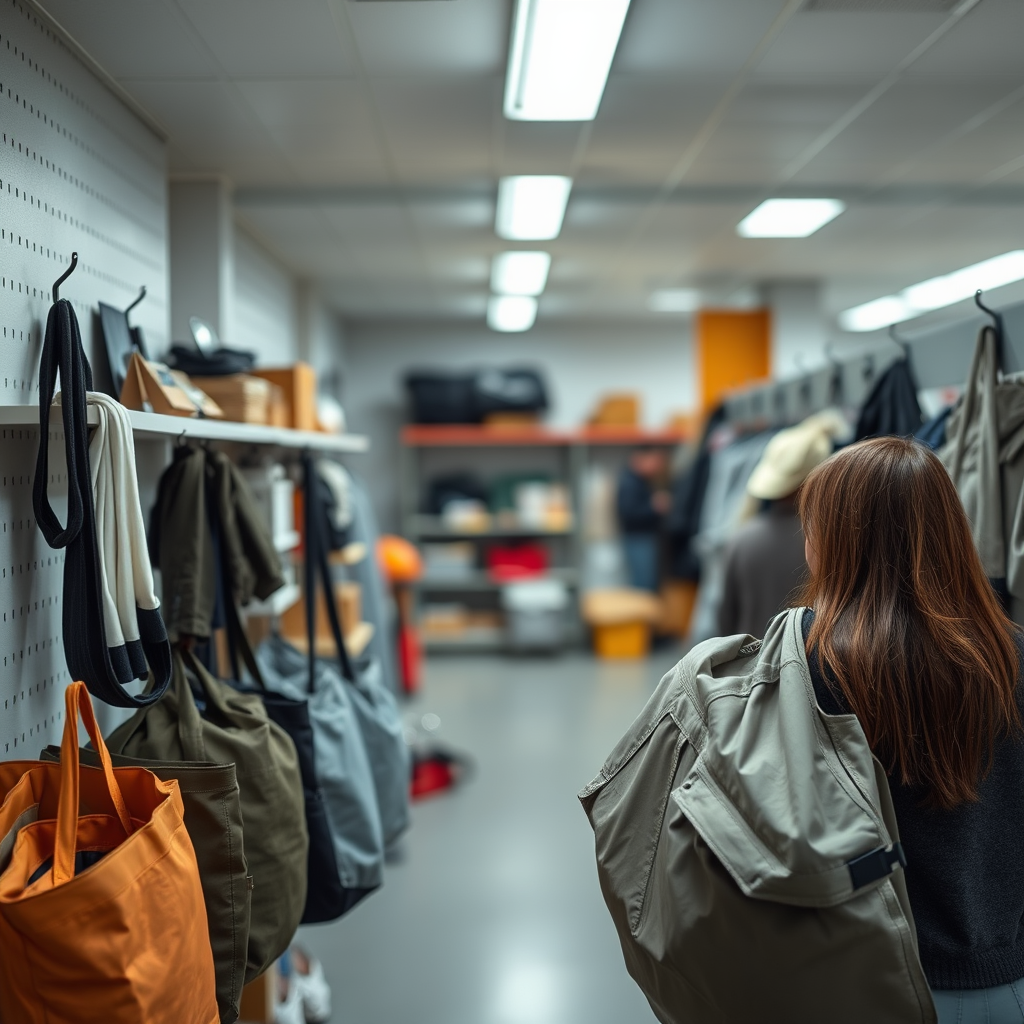
Proper storage of emergency evacuation bags is crucial for several reasons. During a crisis, time is of the essence; thus, preventing clutter and confusion can make all the difference in a smooth evacuation. When bags are organized and stored in a designated area, it enhances the speed of evacuation, enabling individuals and families to leave their homes quickly and efficiently. Effective storage also ensures that the contents of your bags remain intact and ready for use. A well-maintained and structured storage solution serves not only to facilitate access but also to foster a sense of preparedness that can reduce anxiety in emergency situations.
Types of Hooks for Emergency Bags

When it comes to hanging your emergency evacuation bags, the type of hooks you choose plays a significant role in accessibility and organization.
– Wall Hooks: These are versatile and can be installed in various locations around your home, such as garages, mudrooms, or entryways. Wall hooks can hold multiple bags and keep them visible and reachable, ensuring that they are always ready for a rapid departure. For example, using decorative hooks in a hallway not only serves a practical purpose but can also blend seamlessly with your home decor.
– Magnetic Hooks: Ideal for metal surfaces, magnetic hooks are perfect for garages or basements where traditional wall space may be limited. They can hold substantial weight and are easy to reposition as needed. For instance, if your garage has metal shelving, magnetic hooks can be a great way to secure your emergency bags without permanent installations, allowing for flexibility in your storage setup.
Best Locations for Hook Placement
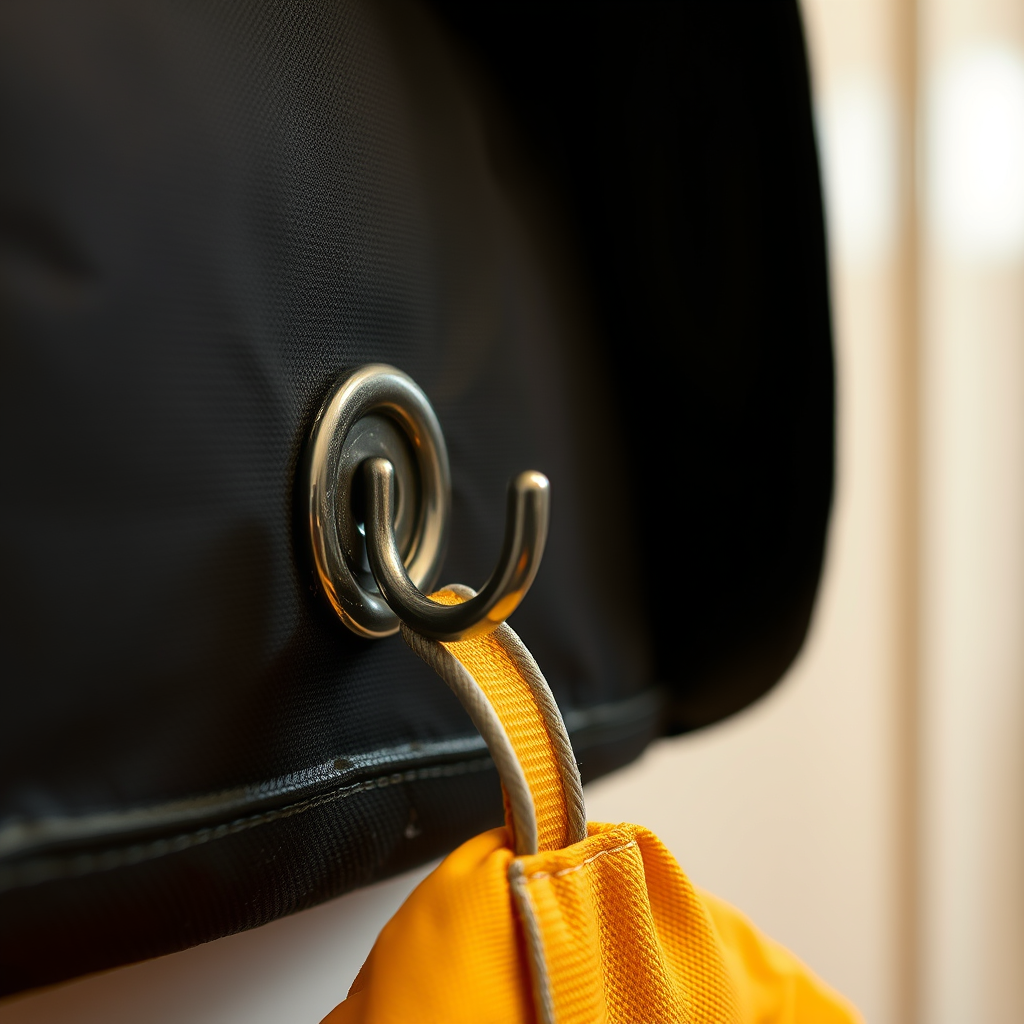
The placement of hooks is just as important as the hooks themselves.
– Entryways: One of the best locations to install hooks is near your main entryways. This provides immediate access to your emergency bags as you exit your home. For example, placing a hook on the wall by the front door can allow you to grab your evacuation bag while simultaneously ensuring you leave quickly.
– Closets: Utilizing hooks inside closets is an excellent strategy for discreetly storing bags while keeping them easily accessible. Hooks can be placed on the back of closet doors or within reach on closet shelves. This method not only conserves space but also keeps your bags out of sight, maintaining a tidy appearance in your living spaces.
How to Maximize Space with Hooks
Maximizing space is critical when organizing emergency evacuation bags.– Use vertical space efficiently by layering bags on hooks. This approach entails hanging smaller bags above larger ones, which can help you capitalize on the height of your storage area. For example, you could hang a small first-aid kit bag above a larger survival kit, ensuring that both are readily available without taking up excessive floor space.
– Consider multi-hook racks for holding multiple bags in one location. A multi-hook rack can accommodate various bags side by side, making it a practical solution for families with several members. These racks can be mounted on walls or placed in strategic areas like garages or utility rooms, providing a centralized location for all evacuation bags.
Maintenance Tips for Your Emergency Bags
Regular maintenance is vital to ensure the effectiveness of your emergency bags.
– Regularly check the contents of your bags to ensure supplies are up to date. This includes checking expiration dates on food items, replacing batteries in flashlights, and ensuring that medical supplies are in good condition. Setting a routine—such as doing this every six months—can help you stay organized and prepared.
– Rotate the bags periodically to avoid wear and tear on the hooks. This practice not only prolongs the life of the bags and the hooks but also allows you to refresh your storage system and keep it functional. If a specific bag is used frequently, consider moving it to a more accessible hook or location to streamline your emergency preparedness.
Additional Storage Solutions
In addition to hooks, there are various supplemental storage solutions that can enhance your emergency preparedness strategy.
– Shelving Units: Complementing hooks with shelving units can provide additional space for storing supplies that are not suitable for hanging. For example, you can keep extra water, blankets, or non-perishable food items on shelves in conjunction with your hooks, creating a comprehensive emergency preparedness zone.
– Baskets or Bins: Utilizing baskets or bins can help keep smaller items organized within your bags or alongside them. These containers can be labeled for easy identification and can be stored beneath hooks or on shelves, ensuring that everything is in its rightful place. For instance, a labeled basket for first-aid supplies can make it easy to find what you need quickly during an emergency.
Incorporating the right hooks for storing emergency evacuation bags can significantly enhance your preparedness. By organizing your bags in accessible locations and maintaining them regularly, you ensure that you and your family are ready for any situation. Start implementing these storage strategies today to bolster your emergency readiness. With a proactive approach to organization and maintenance, you can create a system that not only meets your needs but also provides peace of mind in knowing you are prepared for the unexpected.
Frequently Asked Questions
What are the best types of hooks for storing emergency evacuation bags?
The best types of hooks for storing emergency evacuation bags include heavy-duty wall-mounted hooks, over-the-door hooks, and ceiling-mounted hooks. Heavy-duty hooks are ideal for securing larger bags, while over-the-door hooks provide a space-saving solution. Ceiling-mounted hooks can help keep bags out of the way while still being easily accessible in emergencies. When selecting hooks, ensure they can support the weight of your bags and are made from durable materials.
How can I effectively organize my emergency evacuation bags using hooks?
To effectively organize your emergency evacuation bags using hooks, first, categorize your bags based on their contents, such as first aid, food supplies, or tools. Next, install hooks at eye level or in a designated storage area within your home, ensuring each bag is easily reachable. Label each bag or use different colored hooks to indicate the type of emergency supplies they contain, which can simplify the retrieval process during a crisis.
Why is it important to store emergency evacuation bags with hooks?
Storing emergency evacuation bags with hooks is important because it keeps them off the floor, reducing the risk of damage from moisture or pests. Hooks also make it easy to grab bags quickly during an emergency situation, ensuring you can respond swiftly. Additionally, utilizing hooks maximizes space in your home, making it easier to maintain an organized and efficient emergency preparedness setup.
Which locations are ideal for mounting hooks for emergency evacuation bags?
Ideal locations for mounting hooks for emergency evacuation bags include entryways, garages, or utility rooms where space is available and access is quick. Consider mounting hooks near your primary exit routes, ensuring that family members can swiftly access the bags when needed. Additionally, you may want to install hooks in closets or under stairs to keep bags out of sight yet easily accessible in emergencies.
What should I consider when choosing the placement of hooks for emergency evacuation bags?
When choosing the placement of hooks for emergency evacuation bags, consider factors such as accessibility, visibility, and safety. Ensure hooks are mounted at a height that all family members can reach, and place them in areas that are free from clutter to avoid delays during an emergency. Additionally, think about the types of emergencies you may face, and position the bags in locations that align with your escape routes for quick evacuation.
References
- https://www.ready.gov/evacuating-your-home
- https://www.redcross.org/get-help/how-to-prepare-for-emergencies/personal-evacuation-plan.html
- https://www.fema.gov/emergency-management/hazard/evacuation
- https://www.cdc.gov/disasters/evacuations.html
- https://www.nfpa.org/Public-Education/By-topic/Emergency-preparedness/Evacuation-planning
- https://www.usa.gov/emergency-preparedness
- https://www.washingtonpost.com/weather/2021/07/23/hurricane-evacuation-bag/