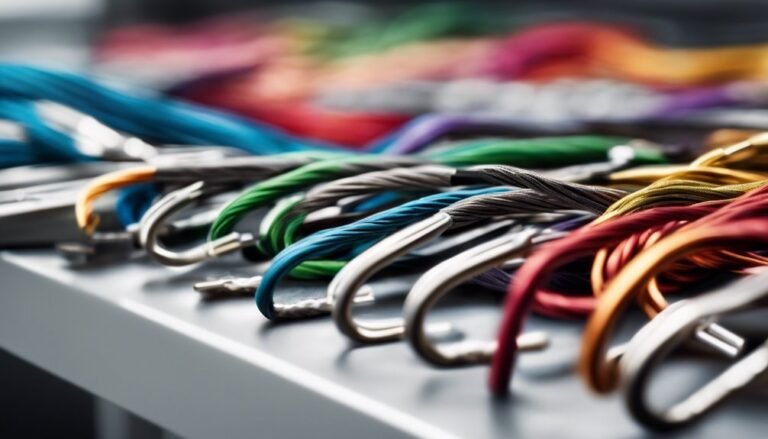
Effective Hooks for Securing Waterproof Communication Systems
To ensure reliable waterproof communication systems, utilizing the right hooks is essential. These hooks not only enhance the durability of communication devices in aquatic environments but also maintain functionality under extreme conditions. Selecting the appropriate hooks can significantly impact the reliability of communication in critical situations, whether in marine operations, outdoor adventures, or emergency services. In this article, you will learn about various types of hooks, their applications, and key considerations for selecting the best options.
Understanding Waterproof Communication Systems

Waterproof communication systems are designed to function effectively in environments where exposure to water is inevitable. These systems are of paramount significance in various sectors, including marine operations, outdoor sports, and emergency rescue missions. The ability to maintain clear and reliable communication in challenging conditions can often be a matter of safety and success. For instance, in maritime operations, waterproof communication systems ensure that crew members can coordinate effectively during adverse weather or emergencies. Similarly, outdoor adventurers rely on these systems to communicate in remote locations where traditional methods may fail. Understanding the specific requirements of these environments is critical when selecting hooks to secure communication devices.
Types of Hooks for Waterproof Systems

There are several types of hooks that can be effectively employed in waterproof communication systems, each with unique features suited for different applications.
– Snap Hooks: These hooks feature a spring-loaded mechanism that allows for quick attachment and detachment. They are versatile and can be used with various communication devices, making them ideal for dynamic environments. However, their ease of use can sometimes lead to accidental disengagement if not secured properly.
– Carabiners: Commonly used in climbing and outdoor activities, carabiners provide a robust solution for securing communication devices. Their locking mechanisms enhance safety, preventing accidental openings. While they are generally durable and reliable, their size can be a disadvantage in situations where compactness is necessary.
– D-Rings: These hooks offer a streamlined solution for attaching devices to belts, straps, or other equipment. They are lightweight and provide a low-profile attachment option. However, their design may require additional hardware for secure attachment.
Each hook type has its advantages and disadvantages, making it essential to assess the specific needs of your waterproof communication system before making a selection.
Materials Matter: Choosing the Right Hooks
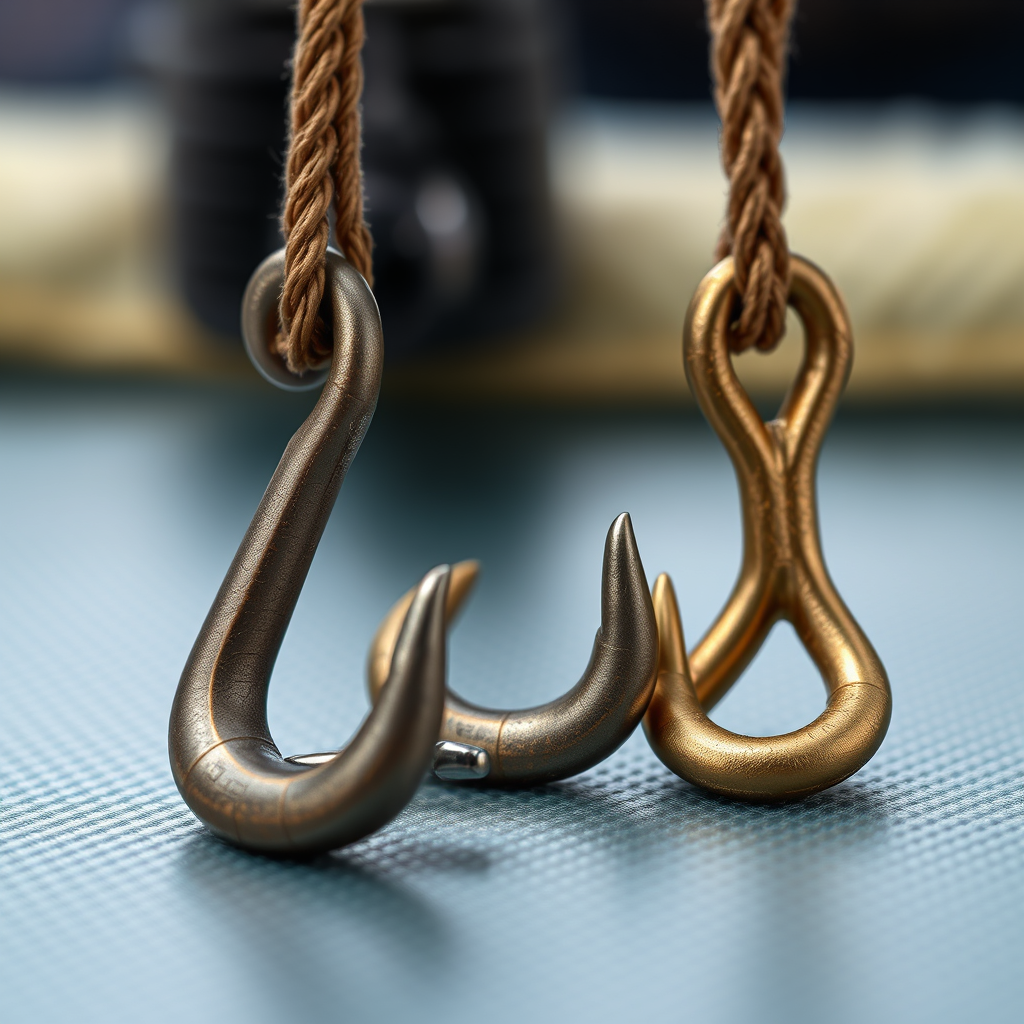
When selecting hooks for waterproof communication systems, the material used is a critical factor that affects longevity and performance. Corrosion-resistant materials are essential to ensure that hooks can withstand exposure to saltwater, freshwater, and other harsh environments.
– Stainless Steel: Known for its strength and corrosion resistance, stainless steel is a popular choice for marine applications. However, its weight can be a consideration in portable systems.
– Plastic: Lightweight and non-corrosive, plastic hooks are suitable for freshwater environments. They may not provide the same level of strength as metal options but can be effective in low-stress applications.
– Aluminum: This material offers a balance between weight and strength, making it ideal for outdoor communication systems. However, it may require additional coatings to enhance corrosion resistance when used in marine settings.
Selecting the right material will depend on the specific environment and intended use of the waterproof communication system, ensuring that the hooks remain functional over time.
Installation Techniques for Optimal Performance
Proper installation is vital for the performance of hooks in waterproof communication systems. Best practices include:– Securing Attachments: Ensure that hooks are securely fastened to the communication devices. Use appropriate knots or additional hardware to prevent accidental disengagement.
– Placement Considerations: Install hooks in locations that minimize exposure to abrasive surfaces and potential snags. This will help prevent wear and tear over time.
– Weight Distribution: Balance the weight of the communication system when attaching multiple devices to prevent undue strain on any single hook.
Following these best practices will minimize the risk of equipment loss and ensure reliable communication in critical situations.
Testing and Maintenance of Waterproof Hooks
Regular testing and maintenance of hooks are essential to ensure their integrity and performance. Recommended methods include:
– Visual Inspections: Regularly check for signs of wear, corrosion, or damage. Hooks that show signs of degradation should be replaced immediately to avoid failure during use.
– Load Testing: Conduct load tests periodically to ensure that hooks can handle the necessary weight and stress. This is especially important for systems used in high-stakes environments.
– Cleaning: After exposure to saltwater or other corrosive environments, clean hooks with fresh water and dry them thoroughly to prevent corrosion buildup.
Implementing a routine maintenance schedule can significantly prolong the life of both hooks and communication devices, ensuring that they remain functional and reliable.
Real-World Applications and Case Studies
The effectiveness of waterproof communication systems can be highlighted through various real-world applications. In the marine industry, companies like Ocean Network Express have successfully integrated waterproof communication systems to enhance crew safety and operational efficiency. Their use of high-quality carabiners and snap hooks ensures that communication devices remain securely attached, even in rough seas.
Another example is found in outdoor sports, where brands like Garmin utilize waterproof communication systems in their devices for hikers and climbers. By employing durable hooks and materials, these systems have proven their reliability, allowing users to communicate effectively in remote locations.
Case studies reveal that selecting the right hooks and materials can lead to improved user satisfaction and operational success, emphasizing the necessity of careful planning and consideration in the design of waterproof communication systems.
Future Trends in Waterproof Communication Systems
As technology continues to evolve, several emerging trends may influence the design and functionality of waterproof communication systems. Innovations in materials, such as advanced composites and smart materials, could lead to lighter and more durable hooks that are even more resistant to corrosion. Additionally, the integration of smart technologies, including connectivity features and sensors, may redefine how waterproof communication systems operate.
Predictions for the future indicate a growing emphasis on enhancing user experience, with designs that seamlessly integrate with outdoor gear and provide real-time data to users. As the demand for reliable communication in challenging environments continues to rise, the development of advanced hooks and systems will be crucial.
By understanding and adapting to these trends, organizations and individuals can ensure that their waterproof communication systems remain effective and relevant.
Summarizing the key points, selecting the right hooks is crucial for the effectiveness of waterproof communication systems. By understanding the types of hooks available, choosing the right materials, and following best practices in installation and maintenance, you can ensure a reliable communication solution in challenging environments. Explore your options further and invest in high-quality hooks that will enhance your waterproof communication systems.
Frequently Asked Questions
What are the most effective hooks for securing waterproof communication systems?
The most effective hooks for securing waterproof communication systems include stainless steel carabiners, adjustable marine-grade straps, and integrated locking mechanisms. These hooks are designed to withstand harsh marine environments while providing reliable connectivity. Look for corrosion-resistant materials and designs that allow for easy attachment and detachment, ensuring your communication devices remain safe and operational in wet conditions.
How can I ensure my waterproof communication system stays securely connected during harsh weather conditions?
To ensure your waterproof communication system remains securely connected during harsh weather, use high-quality, weather-resistant connectors and locking mechanisms. Additionally, consider employing strain relief features and appropriate cable management to minimize stress on connections. Regularly inspect your setup for wear and tear, and invest in quality waterproof enclosures that protect your equipment from moisture and debris.
Why is it important to use specific hooks for waterproof communication systems?
Using specific hooks for waterproof communication systems is crucial because they are designed to endure extreme weather conditions, preventing equipment failure and communication loss. Standard hooks may corrode or fail under water exposure, risking the integrity of your devices. By selecting hooks that are built for waterproof applications, you enhance the reliability and durability of your communication setup, particularly in maritime or outdoor environments.
What features should I look for when choosing hooks for a waterproof communication setup?
When choosing hooks for a waterproof communication setup, look for features such as corrosion resistance, UV stability, and robust locking mechanisms. Additionally, consider the hook’s weight capacity and its ease of use in wet conditions. Hooks that allow for quick attachment and release can streamline your operations, while those with non-slip grips ensure better security under slippery conditions.
Which types of materials are best for hooks used in waterproof communication systems?
The best materials for hooks used in waterproof communication systems include marine-grade stainless steel, anodized aluminum, and high-strength plastic composites. Marine-grade stainless steel is highly resistant to rust and corrosion, making it ideal for saltwater environments. Anodized aluminum offers a lightweight option with similar protective qualities, while high-strength plastic composites can be advantageous for weight-sensitive applications, ensuring reliable performance without compromising durability.
References
- Waterproofing
- https://www.techopedia.com/definition/31349/waterproof-communication-systems
- https://www.nist.gov/publications/guide-waterproof-communications-systems
- https://www.dtic.mil/dtic/tr/fulltext/u2/a252932.pdf
- https://www.sciencedirect.com/science/article/pii/S1877050919316320
- https://www.tandfonline.com/doi/full/10.1080/15421406.2020.1782565
- https://www.navy.mil/Portals/1/Docs/Shipbuilding/Waterproofing%20Guidelines.pdf
- https://www.cdc.gov/niosh/docs/2005-157/pdfs/2005-157.pdf