
Best Hooks for Securing Hurricane Emergency Kits
A reliable way to secure your hurricane emergency kits is crucial for ensuring safety and preparedness. The best hooks not only keep your supplies organized but also accessible when you need them most. By implementing effective storage solutions and organization strategies, you can significantly enhance your readiness for hurricane situations. In this article, we’ll explore effective strategies and tools to securely store your hurricane kits, making your emergency preparation more efficient and reliable.
Choosing the Right Containers
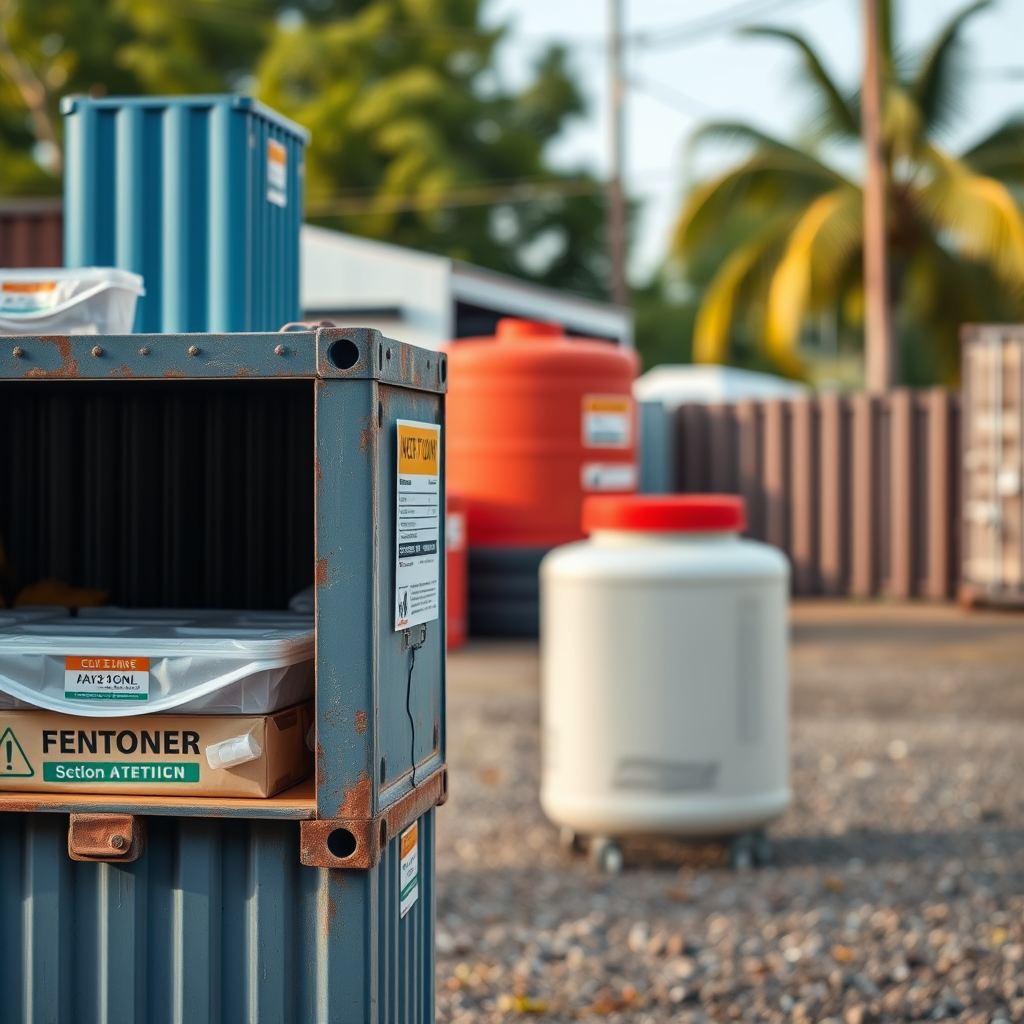
Selecting the appropriate containers for your hurricane emergency kits is vital for protecting your supplies from the elements. Waterproof bins are an excellent choice, as they shield your items from moisture and flooding, which are common during hurricanes. Look for bins with tight-sealing lids that can prevent water ingress, even in severe weather conditions.
Durability is another key factor; opt for containers made from high-density polyethylene (HDPE) or reinforced plastic, which can withstand high winds and rough handling. For instance, heavy-duty storage bins designed for outdoor use often come with features like stackability and reinforced corners, adding to their longevity. Investing in quality containers not only safeguards your supplies but also provides peace of mind, knowing that your emergency kit is protected against damage.
Essential Supplies for Your Kit
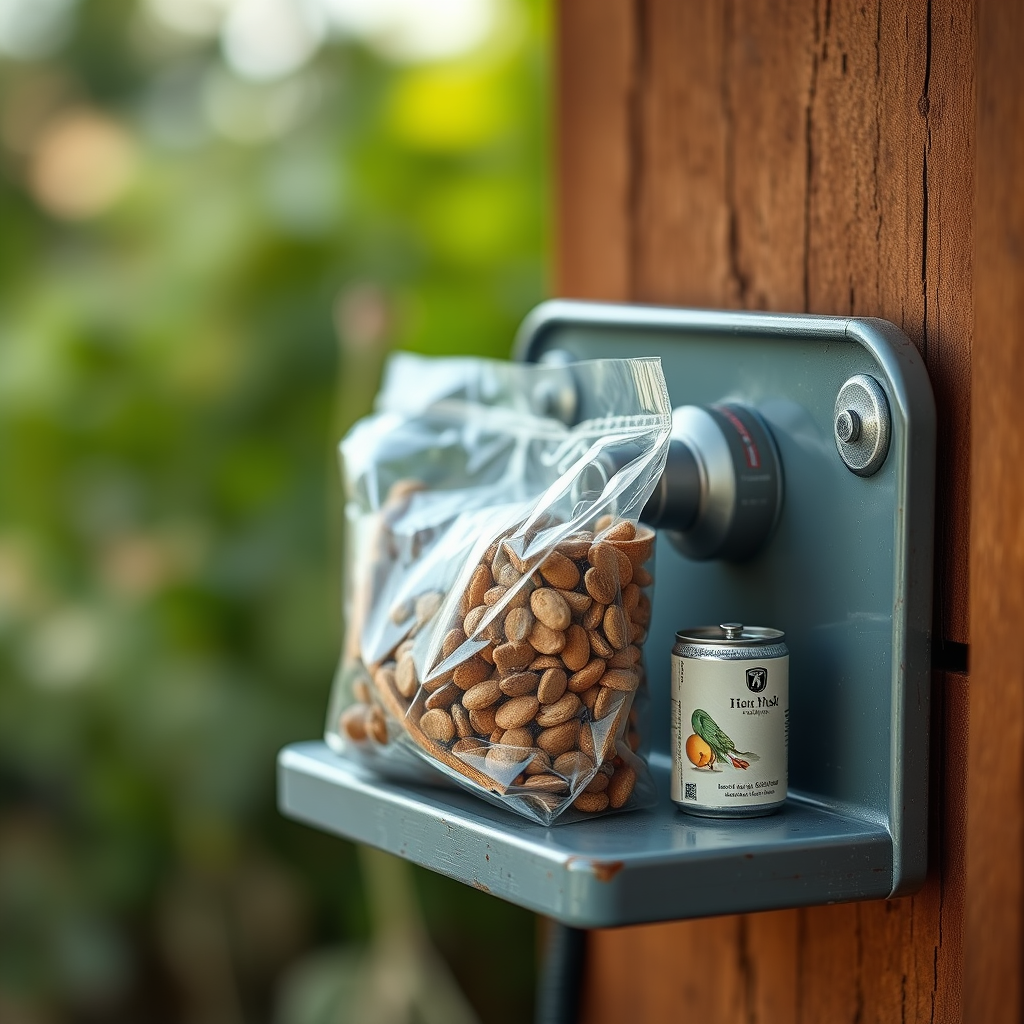
A well-stocked hurricane emergency kit is essential for survival during and after a storm. Start with non-perishable food items, such as energy bars, canned goods, and dried fruits, ensuring you have enough to last at least three days for each family member. Coupling these with at least one gallon of water per person per day can significantly improve your chances of staying hydrated and nourished during an emergency.
In addition to food and water, don’t forget about first aid supplies. Include items like bandages, antiseptics, pain relievers, and any necessary prescription medications. Flashlights and batteries are critical for maintaining visibility during power outages; consider LED flashlights for longer battery life and reliability. Lastly, ensure you have a portable phone charger and a whistle to signal for help if needed. These essential supplies can make a critical difference in your safety and comfort during a hurricane event.
Effective Hooking Methods

Utilizing effective hooking methods is key to keeping your emergency kits organized and accessible. Heavy-duty carabiners are an excellent choice for securing bags to fixed points, such as hooks mounted on walls or in storage areas. They provide a robust means of attachment that can handle significant weight and rough conditions, ensuring that your kits remain in place even during a storm.
Wall-mounted hooks are another effective solution. Installing these hooks in your garage or utility room allows for easy access to essential items like first aid kits, flashlights, and emergency tools. Choose hooks that are rust-resistant and capable of holding substantial weight, as this will prevent them from failing when you need them most. By implementing these hooking methods, you can maintain an organized and efficient emergency kit setup.Location, Location, Location
The location of your hurricane emergency kits plays a crucial role in their effectiveness. Store kits in easily accessible areas, such as closets or garages, where they can be quickly retrieved when a storm is approaching. Avoid placing them in basements or low-lying areas that are prone to flooding, as this can jeopardize the contents.
To further protect your supplies, consider elevating your kits off the ground. Use shelving units or plastic pallets to keep them above potential flood levels. This not only minimizes the risk of water damage but also makes it easier to grab your supplies quickly in an emergency. By strategically locating and elevating your kits, you enhance your preparedness and ensure that you can access your supplies when it matters most.
Regular Maintenance and Updates
Maintaining and updating your hurricane emergency kits is essential for ensuring their efficacy. Schedule regular checks every six months to assess the contents of your kits. This includes inspecting food items for expiration dates, as well as ensuring that batteries are charged and functional. Taking the time to replenish supplies that have been used or have expired will keep your kit ready for any emergency.
Additionally, rotating food and water supplies is crucial to maintain freshness. Implement a first-in, first-out (FIFO) system where older supplies are used first, and new items are added to the back of the storage area. This simple practice can prevent waste and ensure that you always have safe, consumable items in your emergency kit. By committing to regular maintenance, you can guarantee that your hurricane preparedness efforts remain effective and reliable.
Community Resources and Support
Leveraging community resources and support can significantly enhance your hurricane preparedness efforts. Connect with your local emergency management office, which can provide guidance on best practices for disaster preparedness, including information on local hazards and resources available in your area. Many communities offer workshops and training sessions that focus on emergency preparedness, helping you to stay informed and ready.
Participating in community preparedness workshops can also provide valuable insights into what supplies and strategies are most effective in your locale. Engaging with neighbors and local organizations can foster a sense of community resilience, as you share knowledge and resources. By tapping into these community resources, you enhance your own preparedness while contributing to the safety of your neighborhood.
Preparing for Evacuation
Developing a quick evacuation plan that includes your emergency kit is essential for ensuring that you and your family can respond promptly during a hurricane threat. Identify safe locations to evacuate to, such as designated shelters or the homes of friends or family outside the danger zone. Having a clear plan in place will reduce confusion and stress when time is of the essence.
Practice evacuation drills with your family to ensure that everyone knows what to grab and where to go. Designate a specific location in your home where your emergency kit will be stored, and conduct regular drills to familiarize everyone with the process. This preparation not only enhances your readiness but also instills confidence in your family, knowing that you have a plan in place. By prioritizing evacuation preparation, you can significantly improve your safety during a hurricane.
Keeping your hurricane emergency kits secure and well-organized is crucial for effective disaster preparedness. By implementing the right strategies and tools—including choosing suitable containers, stocking essential supplies, utilizing effective hooking methods, and maintaining regular updates—you can enhance your readiness and peace of mind. Take action now by evaluating your current setup and making necessary improvements to ensure you are fully prepared for any hurricane threats.
Frequently Asked Questions
What are the essential items to include in a hurricane emergency kit?
A well-prepared hurricane emergency kit should include essential items such as non-perishable food, water (one gallon per person per day for at least three days), a flashlight, extra batteries, first aid supplies, a multipurpose tool, and a whistle. Additionally, consider including personal hygiene items, important documents, cash, and a battery-operated or hand-crank radio to stay updated on weather reports. By having these items on hand, you can ensure your safety and comfort during a hurricane.
How can I secure my hurricane emergency kit to prevent damage?
To secure your hurricane emergency kit, use waterproof containers or heavy-duty plastic bins to protect the contents from flooding and moisture. Label each container clearly for easy identification, and store them in a location that is elevated and away from windows to minimize the risk of water damage or debris impact. Furthermore, consider using additional hooks or straps to secure the containers in place within your home or vehicle, especially if you need to evacuate.
Why is it important to have a hurricane emergency kit ready in advance?
Having a hurricane emergency kit ready in advance is crucial because it ensures that you have immediate access to necessary supplies when a storm approaches. Waiting until a hurricane warning is issued can lead to panic buying and shortages of essential items. By preparing your kit ahead of time, you can reduce stress, save time, and ensure you have everything you need for your family’s safety and well-being during the storm and its aftermath.
What is the best way to organize my hurricane emergency kit for easy access?
The best way to organize your hurricane emergency kit is to categorize items by type and frequency of use. Keep critical supplies, such as medications and first aid items, in an easily accessible compartment, while less frequently used items can be stored in the bottom or back of the kit. Use clear, labeled bags or containers to keep similar items together, making it easier to find what you need quickly during an emergency. Regularly check and update the kit to ensure all items are in good condition and within their expiration dates.
Which tools are most effective for securing items in my hurricane emergency kit?
Effective tools for securing items in your hurricane emergency kit include bungee cords, zip ties, and heavy-duty Velcro straps. These tools provide stability and can help prevent your supplies from shifting or being damaged during a storm. Additionally, consider using sturdy plastic bins with locking lids or bags designed for emergency preparedness, which can provide extra protection from water and debris while ensuring that your critical items remain organized and accessible.