Best Hooks for Hanging Emergency Weather Monitoring Stations
Importance of Choosing the Right Hooks
Choosing the appropriate hooks for your weather monitoring stations is critical for several reasons. Firstly, these hooks must not only support the weight of the monitoring equipment but also withstand a variety of outdoor elements, including wind, rain, and temperature fluctuations. A suitable hook ensures that your equipment remains securely positioned, minimizing the risk of damage or inaccurate readings due to instability. Proper hook selection enhances the longevity and accuracy of monitoring stations, ultimately contributing to more reliable weather data collection. Weather stations often serve crucial functions during emergencies, making it imperative that they are installed with the utmost care.
Types of Hooks to Consider

When evaluating hooks for your emergency weather monitoring stations, there are several effective options to consider:
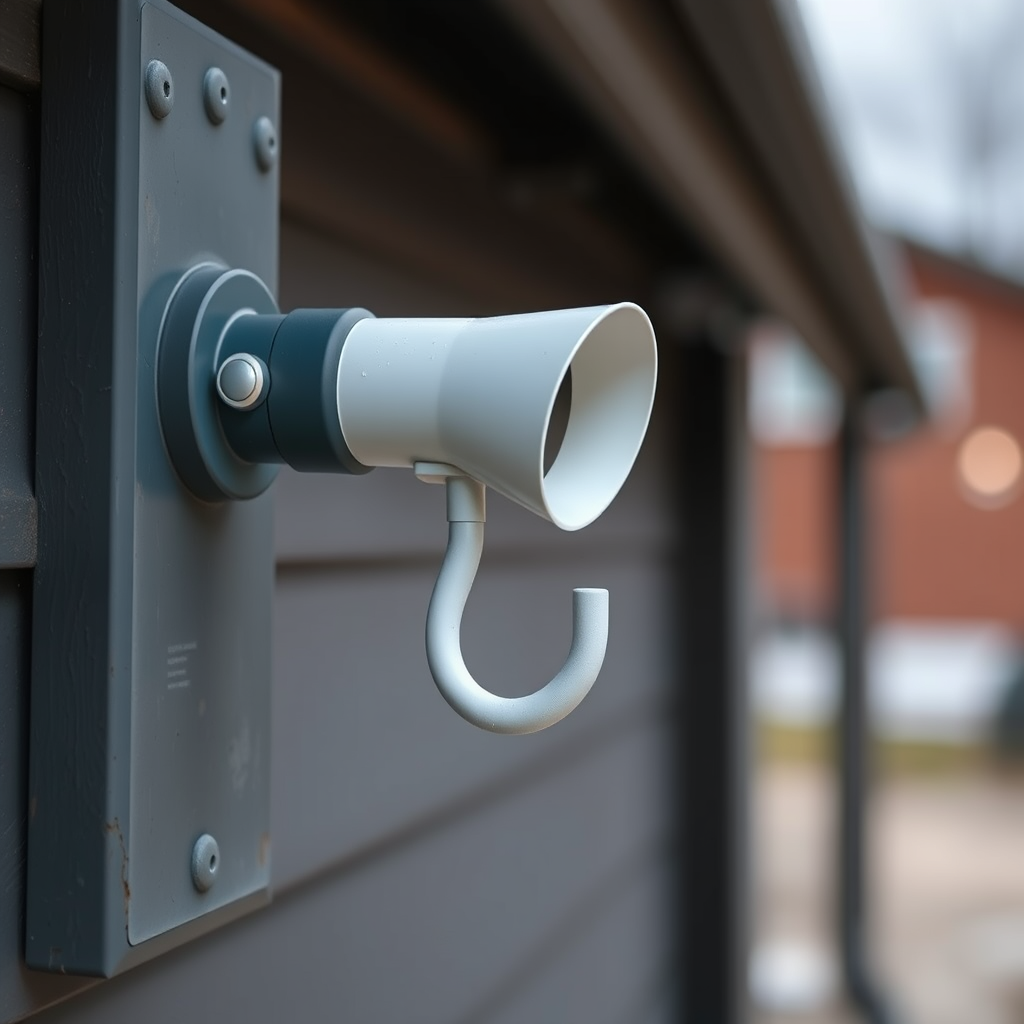
– Heavy-Duty Wall Hooks: These hooks are excellent for permanent installations and are designed to provide strong support for heavier equipment. They are typically made from robust materials, allowing them to handle the stress of high winds and adverse weather conditions. For example, a heavy-duty hook made of galvanized steel can provide the kind of stability needed for larger weather instruments.
– Adjustable Mounting Brackets: These offer flexibility, allowing you to position the weather station at various angles for optimal data collection. Adjustable brackets are particularly useful when you need to change the orientation of the equipment based on the prevailing weather conditions or geographical placements, such as hills or buildings that may obstruct wind or sunlight.
Both types of hooks have their advantages, and the best choice will depend on your specific installation needs and the environment in which the monitoring station will operate.
Material Considerations
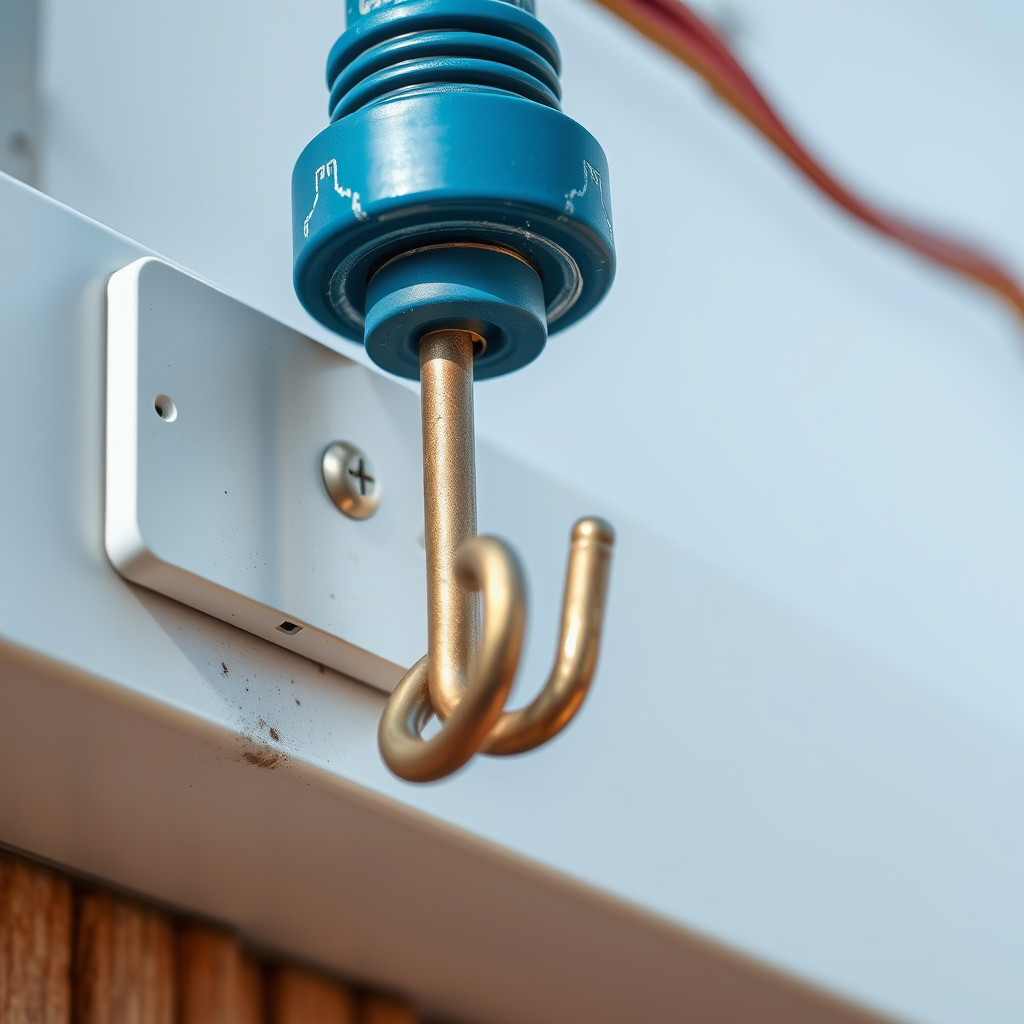
The material from which hooks are made plays a significant role in their performance and durability:
– Stainless Steel: Stainless steel is a popular choice due to its corrosion resistance and overall durability. It can withstand harsh outdoor environments without rusting, making it ideal for long-term use. For instance, stainless steel hooks are often used in marine applications where exposure to saltwater can quickly degrade other metals.
– Plastic Coated Hooks: These hooks provide an additional layer of protection against the elements, helping to prevent corrosion and wear. However, it’s vital to note that plastic-coated options may have lower weight limits compared to their metal counterparts. Therefore, ensuring that the hooks can adequately support your monitoring equipment is crucial.
When selecting hooks, consider the environmental conditions they will face and choose materials that will enhance their longevity and effectiveness.
Installation Tips
Installing your weather monitoring stations correctly is just as important as selecting the right hooks. Here are some essential tips for a successful installation:
– Anchor Hooks into Solid Surfaces: To achieve maximum stability, ensure that hooks are anchored into wall studs or other solid surfaces. This is vital in preventing the hooks from pulling away from the wall during high winds or storms.
– Use a Level: To guarantee that your monitoring station is hung correctly, use a level during installation. An unlevel station can lead to inaccurate readings and may compromise the equipment’s integrity. Taking the time to ensure proper alignment can save you from potential data inaccuracies in the future.
– Check for Obstructions: Before installation, assess the area for any potential obstructions, such as trees, buildings, or other structures that may interfere with the monitoring station’s ability to collect accurate data.
By following these installation tips, you can ensure that your weather monitoring station remains secure and functional.
Maintenance and Safety Precautions
Regular maintenance checks are essential to ensure the longevity and operational efficiency of your weather monitoring stations. Here are some key considerations:– Routine Inspections: Regularly inspect hooks for signs of wear or damage, particularly after storms or adverse weather conditions. Look for rust, bending, or any visible deterioration that could compromise their strength.
– Secure Equipment: Always ensure that your monitoring equipment is secure and won’t detach or become dislodged in high winds. Consider using additional fasteners or safety cables to enhance security.
– Seasonal Maintenance: As seasons change, different weather conditions can affect the integrity of your installation. Conduct thorough checks before winter storms or spring rains to ensure everything is secure.
By prioritizing maintenance and safety, you can enhance the reliability of your monitoring stations and protect your investment.
Additional Features to Look For
When selecting hooks for your emergency weather monitoring stations, consider the following additional features:
– Weight Capacity Ratings: Always check to ensure that the hooks can handle the load of your equipment. Look for hooks with clear weight capacity ratings that correspond to the weight of your weather monitoring devices.
– Ease of Installation: Opt for hooks that come with clear instructions and the necessary hardware for installation. This will streamline the process and reduce the likelihood of installation errors.
– Versatility: Some hooks are designed with versatility in mind, allowing them to be adjusted or repositioned as needed. This can be particularly valuable if you anticipate needing to relocate your monitoring station in the future.
By focusing on these features, you can select hooks that will best meet your needs and provide reliable support for your weather monitoring stations.
Where to Purchase Reliable Hooks
Finding high-quality hooks for your emergency weather monitoring stations can be accomplished through various channels:
– Online Retailers: Websites that specialize in outdoor equipment often have a wide range of options. Look for retailers that provide detailed specifications and customer reviews to help inform your decision. Trusted sites like Amazon, Home Depot, or specialized outdoor equipment suppliers can be good starting points.
– Local Hardware Stores: Visiting a local hardware store allows you to assess the quality and suitability of hooks in person. You can also seek advice from knowledgeable staff who can recommend the best options based on your specific needs.
By exploring both online and local options, you can find reliable hooks that meet your requirements.
Securing your emergency weather monitoring stations properly with the right hooks is essential for their effectiveness and longevity. By considering the type, material, and installation of hooks, you can ensure your equipment remains reliable in critical situations. Take the time to choose quality hooks and install them correctly to protect your investment and enhance your safety measures. A well-installed weather monitoring station can provide invaluable data, aiding in preparedness and response during severe weather events.
Frequently Asked Questions
What are the best hooks for hanging emergency weather monitoring stations?
The best hooks for hanging emergency weather monitoring stations are typically heavy-duty wall hooks or adjustable mounting brackets designed for outdoor use. Look for hooks made from corrosion-resistant materials like stainless steel or coated metal to withstand harsh weather conditions. Additionally, consider hooks that can support the weight of your monitoring equipment while providing stability against wind and other environmental factors.
How do I choose the right hook for my weather monitoring station?
To choose the right hook for your weather monitoring station, first assess the weight and size of your equipment. Opt for hooks that can handle the specific load capacity and ensure they are designed for outdoor use to resist rust and degradation. Additionally, consider the installation location; for example, if mounting on a tree or pole, select hooks that offer secure attachment and adjustability for optimal positioning.
Why is proper installation of hooks crucial for weather monitoring stations?
Proper installation of hooks is crucial for weather monitoring stations because it ensures the stability and accuracy of the readings. If the station is not securely mounted, it may shift or fall due to wind or other environmental factors, leading to incorrect data collection. Additionally, a well-installed hook will help extend the lifespan of your equipment by preventing damage from instability.
Which types of hooks are best for mounting weather stations in windy areas?
For mounting weather stations in windy areas, the best types of hooks are those that provide a secure grip, such as S-hooks, eye bolts, or mounting brackets with locking mechanisms. These options offer enhanced stability, reducing the risk of the station being dislodged. Additionally, consider using tension cables or straps in conjunction with the hooks to further secure the station against high winds.
What factors should I consider when installing hooks for emergency weather monitoring stations?
When installing hooks for emergency weather monitoring stations, consider factors such as location, height, and exposure to the elements. Choose a location that is representative of the area you want to monitor while ensuring the station is elevated to avoid obstructions. Additionally, assess the potential for physical interference, such as trees or buildings, and opt for hooks that allow for easy adjustments and maintenance access.
References
- https://www.nws.noaa.gov/
- Plan Ahead for Disasters | Ready.gov
- National Weather Service
- https://www.sciencedirect.com/science/article/pii/S2213138821000424
- NOAA National Severe Storms Laboratory
- Natural Disasters and Severe Weather | Natural Disasters | CDC
- Home | FEMA.gov
- https://www.nssl.noaa.gov/faq/